
HFW’s Joseph Botham outlines the key considerations from a private company perspective when buying a port or a terminal.
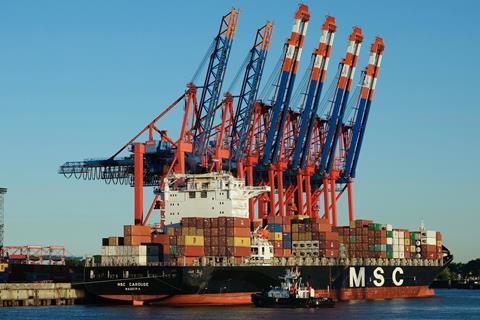
With a trend for acquisitions of companies owning, or owning development, operation or other rights over, ports or terminals reported over recent years, we take a look at some of the key risks and issues a buyer may need to consider as part of its risk and reward analysis for the acquisition of such a company, or target.
Bankability is the first issue to consider. If a buyer is obtaining third party funding, its lenders will want to ensure the acquisition is 'bankable', particularly around certainty of cash flow and suitable protection of their investment.
Some of the key criteria and provisions to look out for in agreements containing the target's rights over the terminal(s) or port(s) are:
- Certainty and control around the period of such agreements;
- Restrictions on a counterparty's right to terminate such agreements or to withdraw or, condition any permits or licence;
- A termination compensation mechanism allowing lenders to recover outstanding debt owed by the target in the event of early termination of such agreements;
- An ability to take security over the target, its assets and key agreements; and
- Avoiding any 'financial leakage' from the target, for example, through onerous penalties or liquidated damages applicable under such agreements for target's failure to meet performance standards, or through any related party transactions or agreements which a target may have in place with members of a seller's group of companies (such as long-term management agreements with a parent company).
Key customers Is a second issue to be considered. Depending on the buyer's plan post-completion, in particular whether the buyer is associated with a shipping line or alliance, it should consider the certainty of arrangements made between the target and its key customers.
In particular, it should ensure that any key customer agreements will not be jeopardised by the transaction, for example if customers benefit from rights to terminate agreements with the target in the event of a change of ownership or control in the target.
If the retention of such customers is key to the commercial viability of the transaction, the buyer will need to ensure that the transaction is conditional on any necessary waivers, consents or letters of comfort being received from such customers.
Regulatory environment
Third is regulatory framework. The buyer will need to ensure that the target holds all the rights it requires over the relevant terminal or port land, the terminal(s) or port(s) and that it holds all necessary permits and licences for its use of these assets. If the buyer wishes to expand or change the use of these assets post-completion, it will need to ensure that this is allowed under the terms of all such agreements, permits or licences. Otherwise, the buyer should obtain approvals or sufficient comfort in relation to such changes or developments from the relevant authorities as a condition to completion.
The fourth issue concerns employment. Any liabilities or restrictions applying to a buyer or target post-completion in connection with the target's employees, in particular any stevedores, should be ascertained. These include, in particular, the terms of any applicable collective agreements or requirements under local employment law which the buyer will need to factor in to its projected returns from its investment or, any transition or business plan applicable post-completion.
Anti-trust and competition mark a fifth consideration. Prior to completing the transaction, the buyer should establish whether the particular characteristics of the transaction (such as market share in any relevant jurisdictions of the target, buyer or any other remaining shareholders of the target) will trigger any thresholds requiring it to make a filing with or seek approval from any competition or other regulatory authorities.
Failure to make such a filing or obtain such an approval can lead to the imposition of penalties by a relevant authority or even to the unravelling of a transaction post completion. It is therefore key for the transaction to be conditional on any such filing or approval processes being finalised and successful.
Lastly, environmental aspects should be considered. Depending on the cargoes which are handled at the terminal(s) or port(s), the buyer will want to establish a baseline of any environmental liabilities (including under applicable laws) of the target existing prior to completion and to ensure that the seller provides it with an appropriate indemnity in relation to any such liabilities.
Joseph Botham is an associate at HFW, based in London. HFW’s article in the December issue will focus on the key issues a party should consider when becoming a shareholder in a company owning, or owning rights over, terminal(s) or port(s) or entering into a joint venture for the development of terminal(s) or port(s).