

Clean air plan tackles California pollution
The ports of Los Angeles and Long Beach have released a draft of their 2017 Clean Air Action Plan (CAAP) to further key pollution reduction and zero emissions goals.
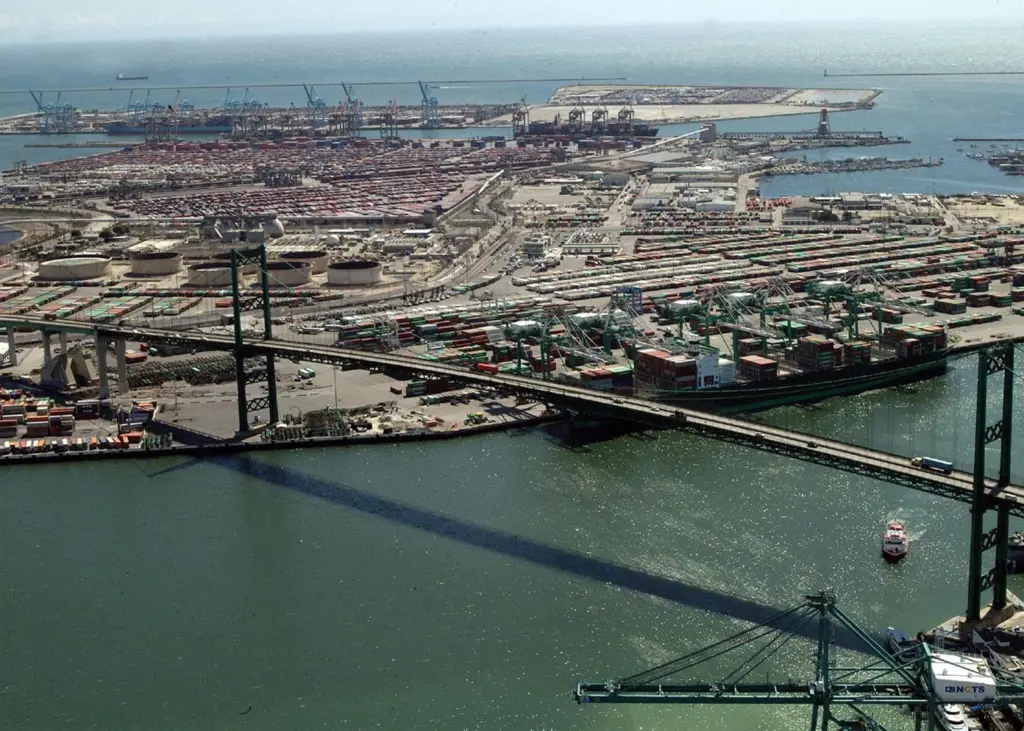
The plan, anticipated to cost USD$7-14bn, outlines strategies to further reduce harmfulair pollution from all port-related sources, assist the state of California inmeeting aggressive greenhouse gas reduction goals, and achieve zero emissionsfor trucks and terminal equipment.
“These ports are going where no port has gone before,” saidPort of Los Angeles executive director, Gene Seroka. “Based on what we’vealready accomplished to promote healthy, robust trade through our gateway,we’re ready to make history again, looking at a new array of technologies andstrategies to further lower port-related emissions in the decades ahead.”
The clean vehicles, equipment technology and fuels strategy inthe plan includes phasing in clean engine standards for new trucks entering theport drayage registries followed by a truck rate structure that encourages theuse of near-zero and zero emissions trucks, with the goal of transitioning to azero emissions drayage fleet by 2035. The ports will also encourage cleantechnology upgrades on ships to attract the cleanest vessels to the San PedroBay ports.
As part of its freight infrastructure investment andplanning goal it aims to move 50% of all inbound cargo leaving the ports byrail and develop charging standards for electric cargo handling equipment.
To address freight efficiency, the ports will develop a universaltruck appointment system with the goal of minimizing truck turn times. Theywill create a voluntary ‘Green Terminal’ programme to recognize terminaloperators achieving high levels of freight movement efficiency and continue toexplore short-haul rail, staging yards, intelligent transportation systems andother supply chain efficiency improvements.
CAAP’s energy resource planning strategy includes developinginfrastructure plans to support terminal equipment electrification, alternativefuels and other energy resource goals. Additionally, development andimplementation of viable energy conservation, resiliency and managementstrategies will continue.
The ports will hold a joint public meeting in November toconsider the final draft.
For alternative solutions to reducing emissions in the port area, join in the discussion at the GreenPort Congress taking place in Amsterdam and hosted by the Port of Amsterdam.
View the full programme here.
For further information contact the Events team on +44 1329 825335 or email congress@greenport.com.
Follow the event on Twitter @GPCongress.
Related Articles
 ALTERNATIVE FUELS GREENPORT
 OPERATIONS
 ALTERNATIVE FUELS GREENPORT