



Coronavirus container contraction threat
The containerised trade sector could see a large contraction in global container demand this year as a result of coronavirus.
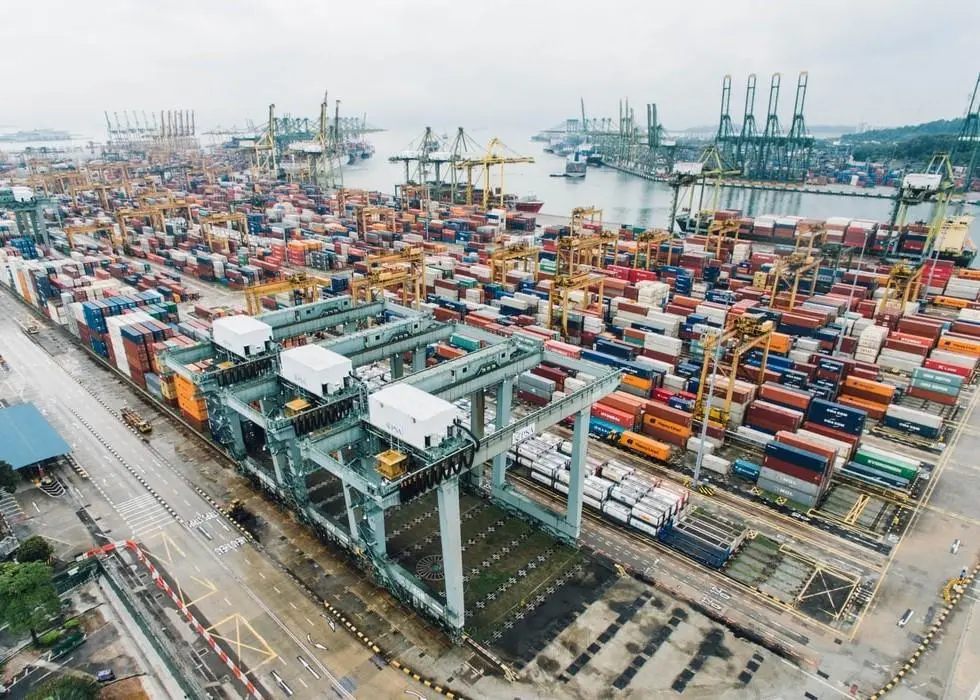
Drewry has developed three scenarios to map the possible outcomes of coronavirus for containerised trade in 2020, detailed in its latest container ports briefing.
Eleanor Hadland, senior analyst, ports and terminals at Drewry, explained its worst-case scenario sees a large contraction in global container demand in 2020 and uncertain prospect for 2021. “Outcomes could include prolonged freight rate down-turn; heavy carrier financial losses with a greater risk of bankruptcy; mass idling of container ships; and large-scale demolitions,” she said.
Financial analysis for listed port operators shows that share price has fallen by an average of 14% in the year to date. DP World is the only operator with positive share price growth due to its planned delisting.
There is no end in sight for the slowing of growth in the sector, with Q4 2019 being the seventh quarter of slowing growth. Global container port throughput was down 2% in the quarter. However, Ms Hadland stressed that disruption to the container supply chain started with the US-China trade war, not coronavirus.
Coronavirus increases the risk of further reduction in value, but the long-term outlook is positive given stable industry fundamentals, said Ms Hadland.
A significant proportion of the trade slowdown was to be expected with the Chinese New Year shutdown causing a slowdown in sailings in February and a slowdown in arrivals in Europe this month, she said.
A major part of the problem with getting cargo moving in China is that transport is not always available. South Asian port will be the winners for diverted cargo from China, but only large ports can handle the biggest vessels, so feeder services will still be useful.
There may be more M&A activity within the overall industry as a result, and port authorities will likely share the risk of disruption.
Net-zero emissions
The briefing also looking at whether the terminal sector can meet the Paris Agreement goal to achieve net-zero emissions by 2050 without regulation. Ms Hadland said that the cost of investment in infrastructure and systems to support emissions reduction for ships and trucks , with the use of shore power and biofuels, would be passed back on to the end users – shipping lines, with surcharges. She added that there will likely be a more rapid move towards local regulation.
Related Articles
 PORT & TERMINAL NEWS
 OPERATIONS
 OPERATIONS