

The 2025 IAPH Sustainability Awards recognised groundbreaking projects in port social responsibility, port decarbonisation, digitalisation and infrastructure.
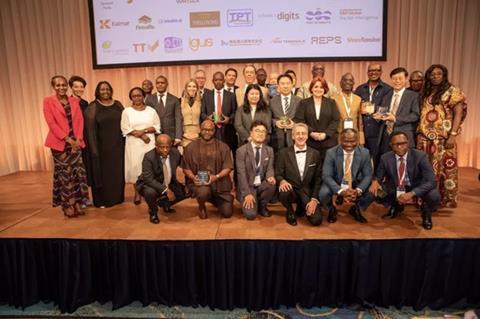
Announced during the 70th IAPH World Ports Conference in Kobe, Japan, this year’s winners showcased how ports worldwide are advancing environmental and social progress through innovation.
“These projects highlight how the world’s ports are accelerating sustainable transformation through technology, collaboration and community engagement,” said Antonis Michail, technical director, IAPH.
“This year’s edition broke all records: Number of initial submissions, the 7600+ people who voted and the expanded jury which now reaches 15 to score the qualifying finalists.”
Smart ports
Incheon Port Authority took top honours for its smart infrastructure project, using real-time sensors and automation to improve efficiency and reduce emissions. The judges called it a leading example of port digitalisation driving decarbonisation.
The Port of Antwerp-Bruges was recognised for its APICA digital twin project, which integrates data from thousands of sensors, drones, smart cameras, and digital “iNoses” to monitor port activities, infrastructure, environmental conditions and energy use in real time.
Meanwhile, the Port of Yokohama became the first Japanese port received its first award for a comprehensive energy-transition and finance programme combining 121 subprojects to reduce carbon output while improving digital coordination.
In Africa, Ghana Ports was celebrated for its strong community outreach in health, education and environmental initiatives, while Kenya Ports Authority was honoured for its impactful CSR work focused on employee welfare and local development.
Strategic cooperation
The 2025 IAPH was a showcase for port innovation projects and knowledge sharing, but importantly, there were also a number of cooperation agreements signed, most with a clear focus on sustainability, port electrification and future port planning.
IAPH and Cruise Lines International Association (CLIA) announced a Memorandum of Understanding (MoU) that reflects a shared intent to make it easier for the organisations to share practical know-how and learn from each other while fully respecting local authority, community engagement and regulatory processes.
Other cooperation agreements signed included one between IAPH and The Global Centre for Maritime Decarbonisation (GCMD) - a two-year coalition partnership agreement aimed at accelerating decarbonisation of the maritime sector.
Also, IAPH and the Asian Development Bank signed a two-year MoU which aims to focus efforts on regional connectivity and integration, port and supply chain infrastructure development, digitalisation with a focus on port call optimisation and cyber resilience.
Related Companies
- Previous
- Next