



STP Shipyard showcases major battery storage installation
STP Shipyard Palma has demonstrated how battery storage and solar power can improve energy efficiency in marine environments
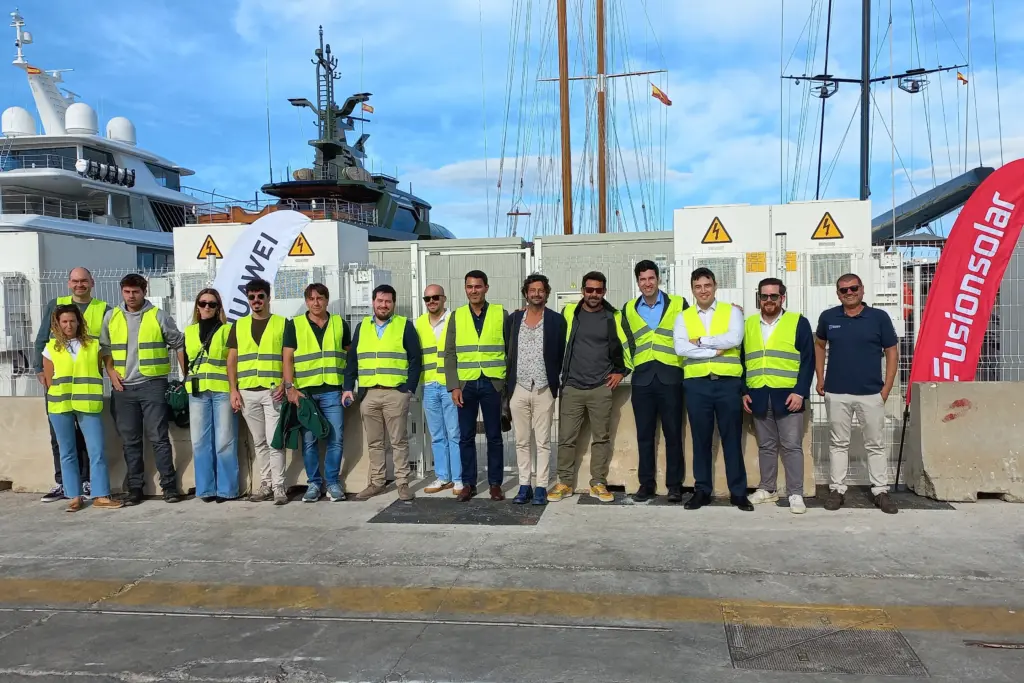
STP Shipyard Palma has hosted a technical seminar with Huawei Digital Power to examine the use of battery storage technology in industrial and port environments, showcasing an installation designed to increase renewable energy use and improve energy management.
The event brought together Huawei representatives, distributors and installation professionals, who examined the shipyard’s battery system, its integration with existing solar infrastructure and the challenges of operating energy storage equipment in a marine environment.
The installation comprises four Huawei batteries with a combined storage capacity of approximately 774kWh and maximum power output of 400kW. The system stores surplus electricity generated by the shipyard’s solar panels for use when demand increases or solar production falls.
STP’s solar installation includes 420 panels mounted on car park canopies, generating an estimated 373,630kWh of electricity annually. Combining generation with battery storage allows more of the renewable energy produced on site to be used directly by the facility.
A significant part of the seminar focused on the technical challenges associated with installing battery systems close to the sea. Salt exposure, humidity and corrosion can affect metal components and electrical connections, requiring additional protection and maintenance measures.
Roger Tudela, Huawei’s Channel Solution manager, presented recommendations covering environmental assessments, corrosion protection and preventive maintenance. These include regular visual inspections, protective treatments, appropriate equipment positioning and physical barriers to prevent accidental impacts.
The discussions also examined intelligent energy management, including how control systems coordinate solar generation, battery storage, site consumption and electricity grid connections to optimise energy flows.
Equipment compatibility and future system upgrades were further topics, with particular attention given to integrating batteries, inverters and energy management technology.
Related Articles
 ENERGY & TECHNOLOGY
 ENERGY & TECHNOLOGY
 ENERGY & TECHNOLOGY