
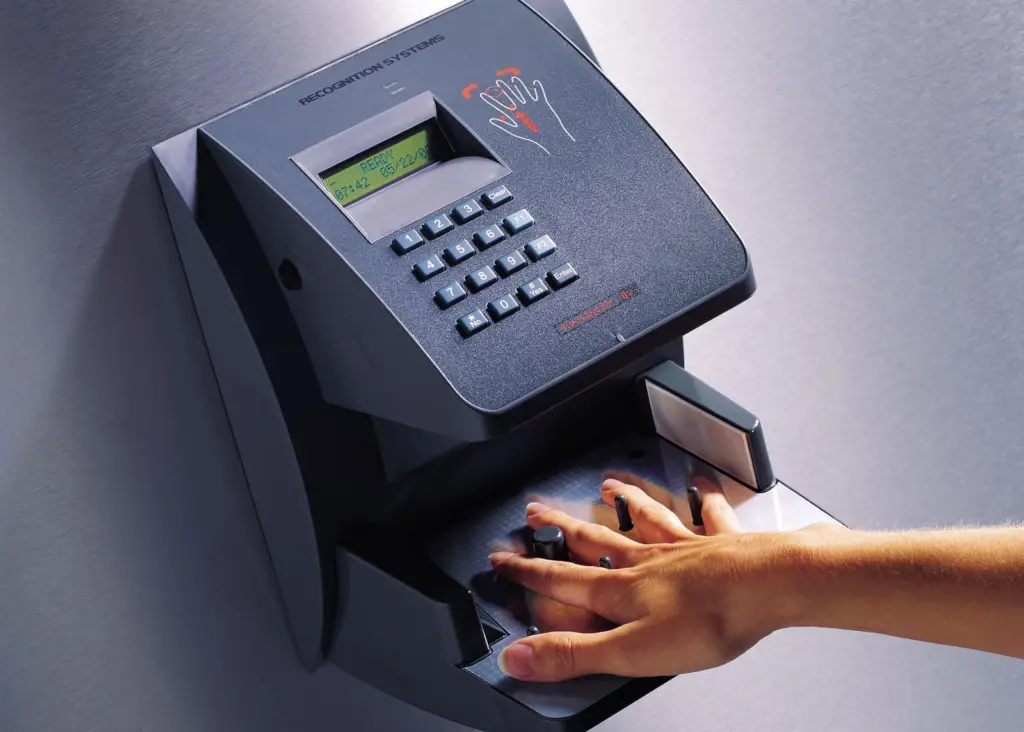
Manufacturer Interflex records the failure rate of its hand reader systems as around one in every ten thousand users for both hand geometry and 3D finger terminals.
In terms of port deployment, Interflex solutions are already in place at the Port of Felixstowe, Thames Port and at AB Ports Freight Terminal in Coventry. The company’s technology has also been acquired by DP Ports’ London Gateway project on the Thames.
“Due to their robust nature and their ability to function in even harsh environments our hand readers have been used for many years in tough environments, which includes ports,” says Dave Bulless, the company’s sales leader in the UK and Ireland.
As for a return on investment, Mr Bulless says that Interflex assists its customers with this calculation by reviewing the current process it takes to provide access to the necessary areas and then establish the time needed to carry out this process through a fully automated system using biometrics or pin cards.