Importantly, the Velazquez plan would incorporate ports and harbours into the National Freight Policy section of another piece of legislation- the Moving Ahead for Progress in the 21st Century Act (MAP-21).
These provisions, part of a two year transport reauthorisation signed into law in 2012, established a national freight network, consisting mainly of roads and highways, to improve the movement of cargo through the US.
In the often dysfunctional world of Washington DC politics, ports are sometimes shunted aside, and the New York waterfront has faced up-hill fights (for example in getting a fair share of Hurricane Sandy aid).
The MAP-21, at present, touches on ports very tangentially, for example in its requirement that the US Department of Transportation identifies major trade gateways, and evaluates the intermodal network.
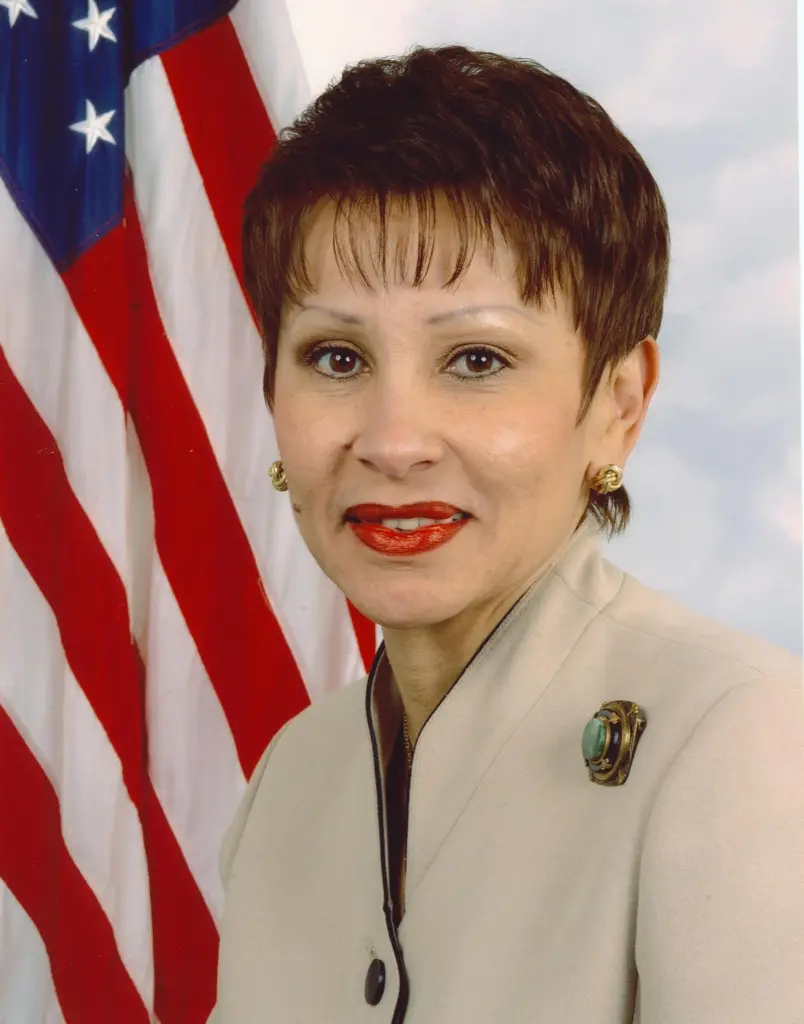
While not among the gang of usual suspects linked to port issues, Congresswoman Velazquez – whose district includes Brooklyn and lower Manhattan – is certainly sensitive to the issues. The Waterfront of Tomorrow language would address ‘Next generation ports’ – which would establish an initiative to improve maritime infrastructure and intermodal transport and attempt to carve out a role for local preferences and environmental concerns in port planning.
It would also seek to establish a national Green Port standard for ports that meet certain environmental milestones. Grant money would then follow. In a section dubbed ‘Waterfronts as Main Streets’, another set of grants would be offered with the goal of establishing environmentally sustainable waterfront areas.
One of the mainstays of port discussions, Representative Jerry Nadler (with a Congressional district also including waterfront areas), is serving on a panel addressing freight that’s part of MAP-21. Nadler has been a proponent of an underwater tunnel for freight linking the docks in New Jersey with Brooklyn, where a city planning renaissance has brought former industrial areas to life as residential and park areas.
In the opinion of this harbour rat, who grew along the East River, places like New York – which lack Greenfield sites for port development – will benefit greatly as the business of ports is sewn into the fabric of the 21st century community.
Everybody will win if the Waterfront of Tomorrow bill advances and its provisions become embedded into MAP-21 and its next iteration, which will be up for discussion next year.