Mr Lhota, who has transport experience (though more with surface than waterborne modes), has suggested leaving parts of the Brooklyn (notably in Greenpoint) waterfront alone and allowing ‘industrial’ activity.
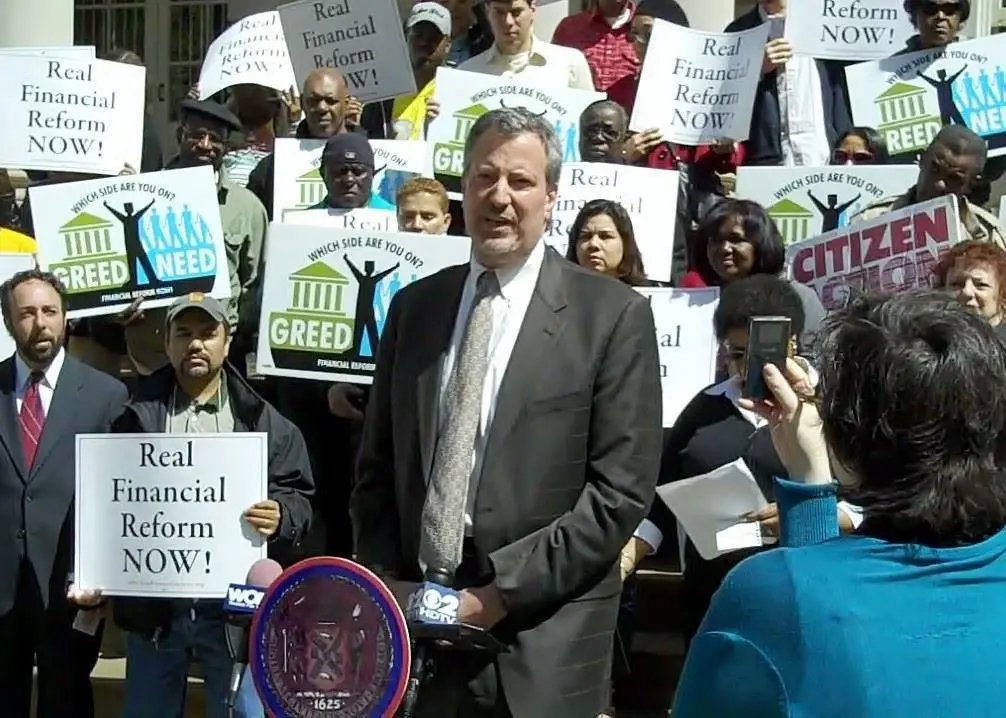
However, winner of the mayoral race – Bill DeBlasio (a onetime campaign manager for Hillary Clinton’s successful run for the Senate in 2000) – has not really embraced the waterfront’s role in New York, though he occasionally kayaks around the Brooklyn waterfront.
Meantime, after the Federal government’s near death experience, I am thinking that local politics and local funding sources may see an increased role in port infrastructure funding, in line with increased direction (or not) for projects.
Elections aside, a year has passed since the devastating Superstorm Sandy, an almost Category 1 hurricane that provided numerous wake-up calls to planners around New York, and at other ports along the East Coast. One development worth noting around the Big Apple are efforts to create waterfront design guidelines for all development around the harbour; participants in a working group to create the plan include various city agencies, but also the US Army Corps of Engineers.
One aim is to create regulations that are consistent and understandable for all concerned. These efforts are not only about waterfront parks and the like; businesses abutting the water will see an impact on their facility planning and engineering.
The Corps, meanwhile, benefitting from Hurricane relief allocations (a Federal source of money), continues to restore channels and bulkheads. In some ways, delays in funding of projects approved before the hurricane is a good thing; they can go back to the drawing board with resiliency in mind.
While attention around the port is focused on the big things, like the Bayonne Bridge project (now subject to additional environmental reviews), the intra-harbour links of ferries and transport of niche cargo will bring the new style of post-Sandy planning to the forefront. Unlike the containerised intermodal waterfront of the past 30 years, the working waterfront is highly visible to the general population. As I like to remind readers, cargo does not vote, people do.