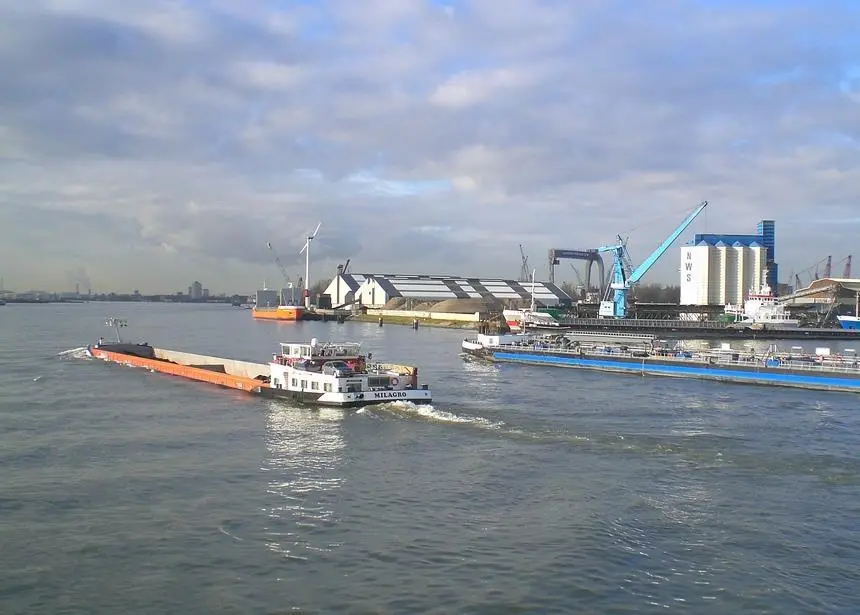
1) Data exchange: The exchange of data is crucial in improving the efficiency of the supply chain. The services of Portbase, the Dutch port community system, have been of great value in this. Yet, these services can only reach their full potential when all required information is shared. Different parties in the supply chain often hold information that can help improve the processes of other parties. With a code of conduct, best practices can be established regarding data exchanges.
2) Efficient government inspections: The efficiency of government inspections in Rotterdam has improved over the last years. Yet, there is always room for improvement. A ‘one stop shop’ is a way of improving efficiency when it comes to governments controls. Furthermore, the processes around the X-ray scan inspection in the port of Rotterdam can be improved. Several parties in the supply chain play a role in this.
3) Invoice protocol (already achieved): The association of freight forwarders (FENEX) and ship agents (VRC) have established a protocol regarding invoices. Although this mostly happens without problems, discussions regarding invoices and payments occur frequently as well. By establishing a protocol for invoices, both associations make an effort to further streamline this process. A next step could be an automatic payment system.
4) Efficient terminal processes: It is important that the processes of the terminals function at the most optimal efficiency for all stakeholders. Next to that, best practices regarding communication between terminals and other stakeholders could be an important element of a code of conduct.
5) Optimal use of all modality:
When Maasvlakte 2 becomes operational, it is important that all modalities can be used in the most optimal way. With a code of conduct, best practices can be established that can help realise this goal.