Some say these efforts only scratch the surface of a mega-problem. That’s true, but all jigsaws have multiple pieces. To treat a bleed, you need that sticking plaster as well as some ointment and a quick feedback loop to tell the brain to stop cutting your apples that way.
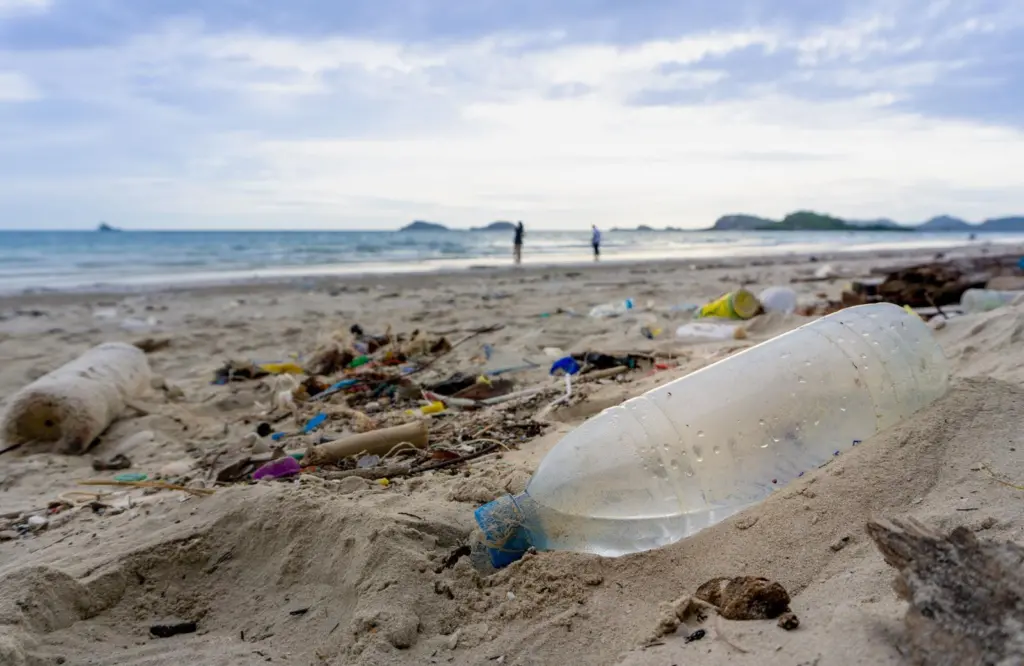
We hear reports that 90% of plastic waste is carried into the oceans by ten rivers, eight of which are in Asia. The figures are staggering: 12.7m tonnes of plastic waste enter the sea annually – a truckload per minute. That’s littering on an out-of-control scale. It’s not quite a plastics’ apocalypse in the UK yet, but along any beach, you’ll find the multi-coloured remnants of zip ties, plastic bottles, lids and shards of fishing net among the grains of sand.
The damaging effects of plastic debris upon marine species and water quality are well documented. We can add to that the fuels and manufacture of new machinery required for initiatives like The Ocean Cleanup. The risks to crews go further. I was lucky enough to hear a talk by Emily Penn, mission skipper for the recent all-women scientific eXXPedition to the North Pacific Garbage Patch. A regular diver into the seas to monitor the extent of plastic, she thought it would be valuable to have some medical tests. These revealed traces of 27 types of plastic in her blood. Anyone for fish?
A fully circular economy has to be at the core of the solution. Retailers like Adidas are trying to do something about it and kill-off the phrase garbage in/garbage out. They’re transforming ocean plastics into sports’ gear. However, at £160 ($200) a pop, their Parley trainers are surely only for the eco-superguilty.
A bear market for scrap feeds stockpiles of zombie waste plastic. It simply won’t die, taking 450-1,000 years to break down. With plastic predicted to be public enemy No.1 by the turn of this decade, you won’t want to be a plastics’ pariah. Now, no doubt you’ve all eradicated any trace of throwaway straws from your lives and you already order your flat whites in a reusable Keep Cup. It’s time to move to Defcon 3: the steadfast refusal of single-use plastic cutlery/crockery. These are often seen, in their thousands, at environmental conferences!
Port projects
At almost no cost, some port groups are promising to cease offering single-use plastics in the workplace. For credibility, it makes little sense to have a CSR project helping to clean-up ocean plastics while getting through thousands of boxes of one-use coffee stirrers every year. What a total waste of oil, chemicals, power (in manufacture), fuel (transport), emissions, cardboard, space and money. Seriously, walking-the-talk is vital, at all scales. It’s up to all of us to make changes.
As well as supporting local and regional projects, ports and terminals need to make it easier for workers, visitors and drivers to use dedicated recycling receptacles. Ports can easily purchase innovative materials such as biodegradable wrap and packaging made from plant fibres. Pointless plastic marketing products, plastic bags, ablutions with ‘micro beads’ and foodstuffs with unnecessary packaging can all be avoided. It would be encouraging to see all players in the maritime sector supporting tech start-ups dealing with plastics recovery and reuse, stimulating spin-off markets and working in partnerships. Concession agreements could have plastic-free targets, executives challenged with KPIs on plastics’ elimination and HR teams driving personal commitments in contracts.
Which port is going to be the first to support cargo containing no virgin plastic in its supply chain? That’s probably a long way off but the next generation seem to be seeking high status goods while having much stronger personal eco-credentials. I predict that blockchain will soon start to integrate sustainability performance information on goods and transport in the same way BIM does for materials in buildings. It will eventually become a factor for consumers. These trends may not affect shipped volumes but they could well demand a much improved ‘plastics’ play’ from cargo handlers and managers.
Charles Haine is technical director, Maritime, at WSP.