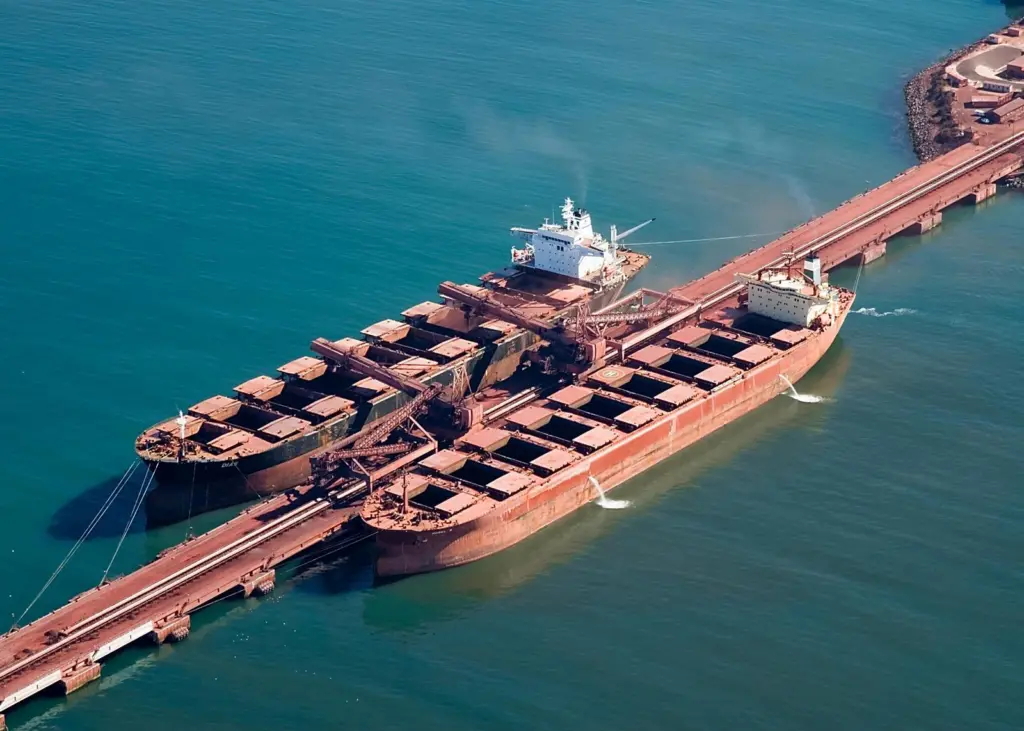
The terminal, which is located within a water scarce area, has constructed a reverse osmosis (RO) plant to supplement potable water already being obtained from the surrounding dams via the current municipal infrastructure.
Around 36,000 kilolitres of water is required each month to spray the iron ore stockpiles and transfer points in the terminal using sprinkler cannon systems, which helps to contain the dust.
Karl Socikwa, chief executive of Transnet Port Terminals, said the new plant would enable increased spraying for better dust mitigation at the terminal, which exported 45m tonnes of iron ore in 2010/11.
Velile Dube of Transnet said although the company had researched other possibilities including getting recycled water from the municipality, other options were unreliable, costly or limited in capacity.
“RO plants provide a guaranteed source of quality potable water since they are not vulnerable in drought situations. The method is proven and reliable and there is access to good local expertise in South Africa,” he said.
Another advantage of the RO method is the plant can be constructed in modular units allowing additional modules to be added at a later stage to meet growing water demand.