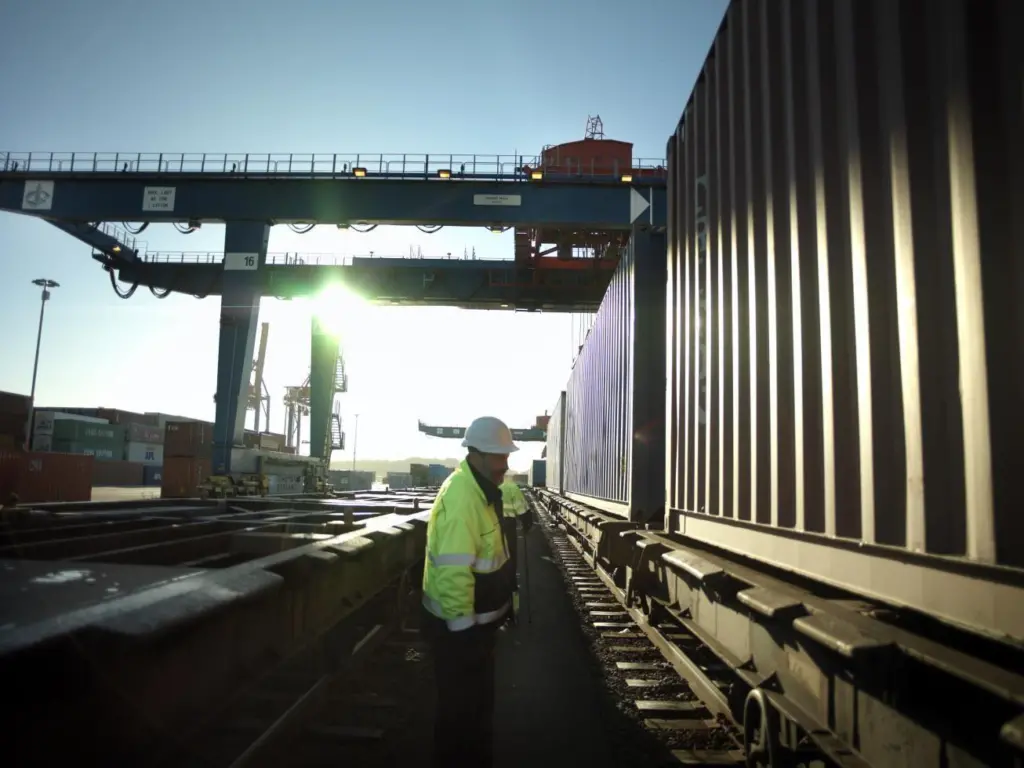
“The dryport concept is based on a seaport directly connected by rail to inland intermodal terminals, where shippers can leave and/or collect their goods in intermodal loading units as if directly at the sea port,” she says. “Besides the general benefits to the ecological environment and the quality of life by shifting flows from road to rail, the dryport concept increases the sea ports’ throughput without physical port expansion.
This brings a competitive advantage to the sea port, since it improves the port’s access to areas outside its traditional hinterland, says Ms Roso.
“This is closely related to regional development that results from the establishment of new businesses in the area once the necessary logistics infrastructure is in place.”
And here, there is perhaps a four “E” to be considered – employment. UK councillor John Hinton says: “The more employment we can secure in port-related activities and keep in our area rather than allowing it to ‘escape’ to other areas, the better for us and our local economy.”