Container terminals have traditionally sourced tyres for use on their yard equipment not from manufacturers, but rather through local agents. These agents typically sign long term contracts with the terminal, not only to supply tyres as and when required, but also to undertake regular maintenance of the products.
And most terminals accept this relationship without question. No real alternative appears to be available to them since manufacturers have traditionally declined to supply customers direct. However, while this policy once appeared to be set in stone, investigations undertaken by PS have clearly shown that cracks are beginning to appear, while some smaller terminals are using lateral thinking to find ever-cheaper sources of supply.
The six box terminals operated by P&O Ports in Europe, ever mindful of the need to cut costs, approached industry heavyweights Michelin, Goodyear and Bridgestone and asked whether a substantial discount might be in the offing if P&O Ports signed an exclusive supply agreement over a given timeframe. Following some tough negotiations, an eventual contract was signed with Goodyear, breaking the tyre purchasing mould forever.
P&O Ports is understandably shy of revealing the true extent of how much money it has saved following the signing of the deal. Industry sources nevertheless suggest that this was in the region of 7%.
However, since the contract was for supply of tyres only, the various terminals involved still needed to find local specialists to oversee dayto-day maintenance and upkeep of the tyres, since it would not be feasible to make the necessary investment in both specialist equipment and personnel to do it themselves. Despite this additional expense, it is believed that the organisation has still managed to achieve a significant 3-4% savings on costs associated with tyres.
Other terminals have also been unhappy with the way in which they are effectively shackled to their local distributor, who effectively uses his monopoly to keep prices high. However, most terminals contacted by PS tended to border on the complacent, relatively happy to stick to existing agreements with local service agents in the belief that these were in the best interests of everyone. Others we contacted clearly had given little real thought to the issue and were unaware that savings were there to be had, if only they knew where to look.
Significantly, it was the smaller terminals, where the general manager has every incentive to keep on top of costs, which indicated that they had found ways around the perceived problem of local monopolies.
A good example of this is Lisbon’s leading deep-sea terminal, Liscont, where Carlos Figueiredo is general manager. He points out that, at _90,000 year, spending on tyres at the terminal is a major expense, albeit behind rent, labour costs and power.
“If you work with front loaders or reachstackers, as we have been doing, spending on tyres is a major outlay, ” he stresses, whilst pointing out that a switch to RTGs in the yard should help cut costs in the longer term.
Although Liscont does buy its tyres from a dealer, it long ago abandoned a policy of buying strictly from local agents, instead sourcing them from the cheapest possible place in Europe. On occasions, this has meant purchasing tyres as far away as Sweden, which works out cheaper even when transport costs are factored in. Being a container terminal, it makes sense for Liscont to have them shipped in by container, since quayside handing can be undertaken at cost.
“We do still ask our local dealer for a quote, but have found them to nearly always be amongst the most expensive, ” stresses Figueiredo, adding that this policy of shopping around has paid substantial dividends over the years.
ALL TYRES ARE THE SAME, RIGHT?
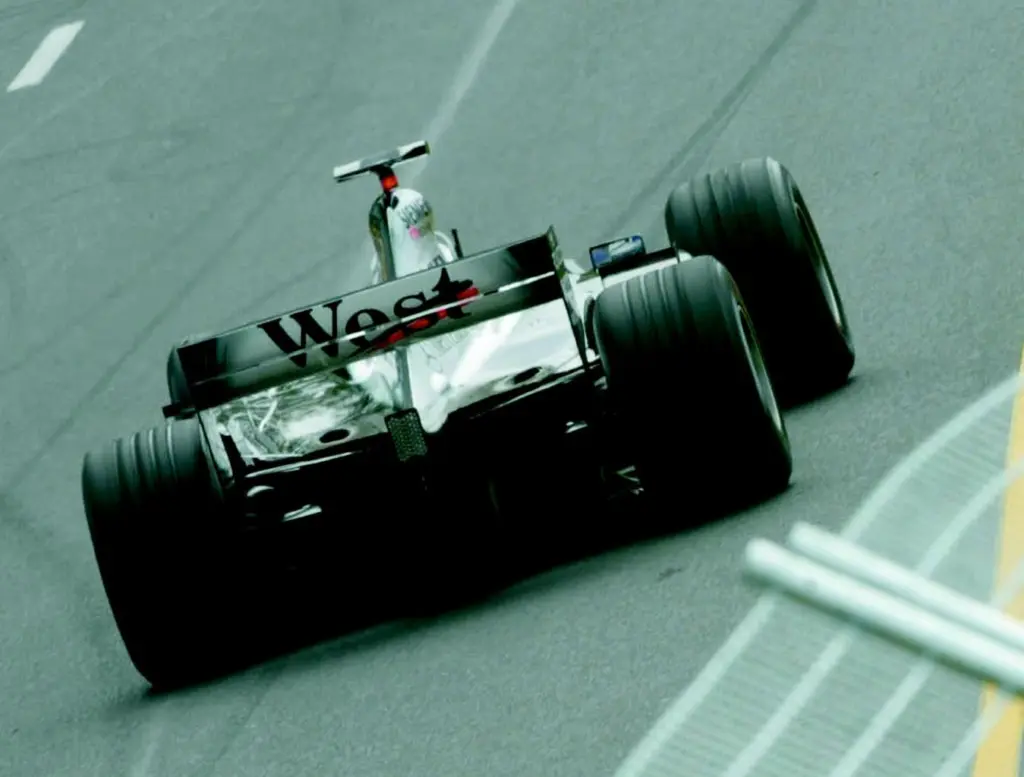
Various terminals contacted by PS revealed distinct policies with regard to what type of tyres they prefer. In fact, the type of tyres used varies in accordance with a number of factors, although by far the most common observation is that certain types of tyres perform best on certain surfaces. Therefore, the tread used depended on whether the terminal surface was made of asphalt, concrete or some other type of paving. While Vigo’s Termavi container terminal, for example, professes to virtually zero damage to its tyres despite using smooth tyres (as would be found on most Formula 1 racing cars, for example), Figueiredo is unequivocal in his support of thicker tread as a means of prolonging the working life of Liscont’s tyres.
“We have trialled a variety of tyres marketed at paved terminals and find that the 1800/25 type is the most suitable. Of all the manufacturers, we find that tyres made by Yokohama are by far the best. In terms of thickness, we specify their E4 model and 40-ply tread, even though the manufacturers insist that 32-ply is more than sufficient for a reachstacker or FLT. In our experience, it is worth paying extra for additional plies because the tyres are stronger and last longer, ” insists Figueiredo.
In fact, while Yokohama tyres are among the most expensive on the market, they last an average of 4,000 hours before needing replacement. Nevertheless, on rear-wheel drive vehicles, 4,200-4,500 hours can be obtained from tyres at the front, while just 3,800 hours is the average life for rear tyres, since this is where the vehicle pivots.
Liscont trialled a variety of similar tyres and found that while some were half the cost they lasted only 2,000 hours. As a result, Liscont is effectively prepared to pay twice as much for Yokohama tyres because they last at least twice as long as cheaper alternatives. “In a container terminal, downtime costs money. So we want to keep our equipment in service for as long as possible. If we are forever having to change tyres, we could be losing money by not having equipment available to undertake handling movements, ” Figueiredo emphasises, although points out that the terminal also operates slightly cheaper Bridgestone tyres, which last an average of 3,000 hours and are therefore competitive too.