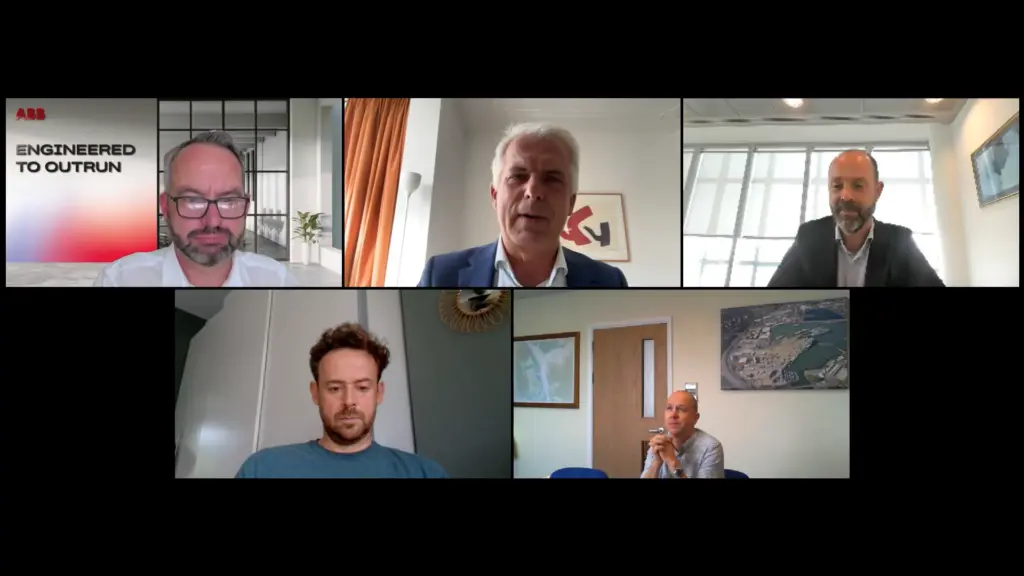
The GreenPort Congress webinar showed ports beginning to look beyond individual projects to deliver integrated decarbonisation
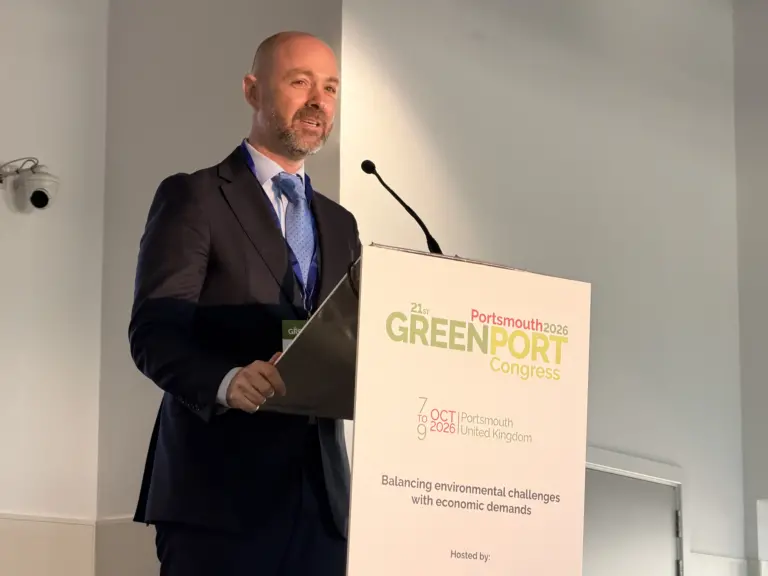
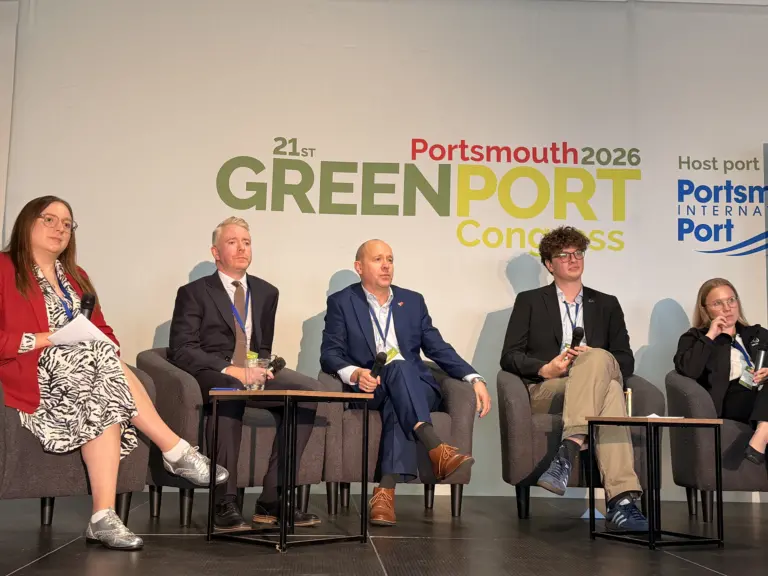
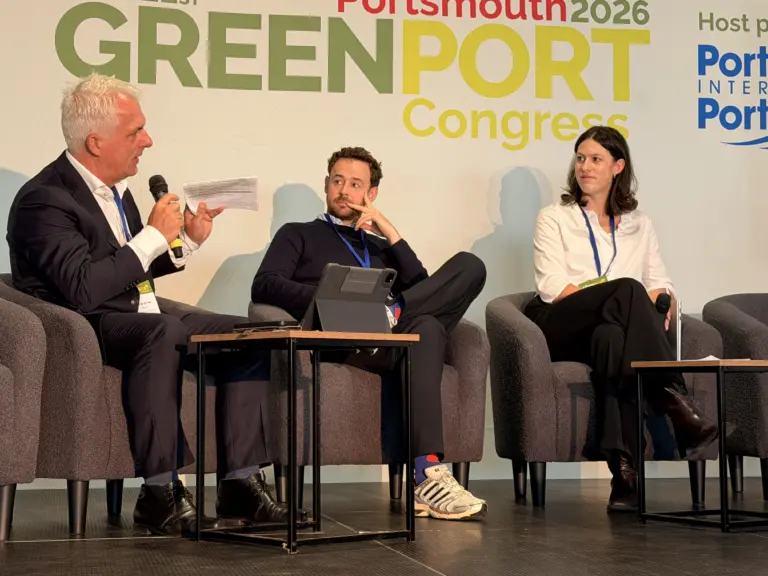
Monday’s webinar explored themes to be further developed at the GreenPort Congress in Portsmouth on 7-9 October, focusing on how ports are moving from individual sustainability projects towards a more integrated approach to decarbonisation.
Shore power emerged as a key part of this transition, but speakers highlighted the wider challenges surrounding its implementation, from grid capacity, finance, collaboration and governance. Portsmouth International Port (PIP) was presented as an example of how these challenges can be addressed, with its shore power system designed to maximise the use of its available grid capacity.
Dr. Mark van der Veen, Director of the Graduate School of Business in Amsterdam began the webinar emphasising “the need to share practical experiences and learn from one another and to collaborate”. This collaborative approach was reflected in the differing perspectives of the two speakers involved with the ambitious project to bring Portsmouth International Port to Net Zero by 2035. While Port Director Mike Sellers discussed what it takes to implement sustainability projects into pre-existing infrastructure, Chris Poyner, Head of Shore Power at ABB, demonstrated the supply-chain perspective and the practical constraints around grid capacity.
Sellers introduced Sea Change, the new shore power project at PIP, as part of the “master plan” towards the goal for Net Zero. He announced that “we have just finished the biggest milestone of that project, where we are now able to deliver shoreside electricity to multiple vessels, up to three cruise vessels or ferries”, describing it as “a first for a UK port”.
Chris Poyner, from his technology supplier perspective, provided a practical addition to this innovation, highlighting how ports must navigate uncertainty around vessel consumption. It requires a careful negotiation between how much shore power is required against what is available from the grid, while also being aware of significant infrastructure costs.
The discussions identified the two main barriers to implementing shore power – business case and power availability. Portsmouth’s experience demonstrated how acquiring an end user, securing the grid connection and securing £19.8 million in UK government funding helped to turn its ambition into an operational infrastructure.
The discussion broadened, with Tim Verhoeven, Senior Policy Advisor for Sustainable Development at ESPO, in his discussion of water quality highlighting the wider policy and stakeholder challenges facing European ports as they work towards sustainability goals.
For Ekaitz López Amurrio, Chief Financial Officer and European Funds Coordinator at Bilbao Port, the transition can be considered at an even broader level. He argued that port authorities could begin to understand energy as an “integrated system”, discussing the prospect to be “not only consumers of energy, but also producing and having some strategic autonomy or some level of energy independence in our ports”.
The webinar demonstrated the challenges of port decarbonisation, with the discussion set to continue at the GreenPort Congress in Portsmouth, United Kingdom from 7–9 October. Industry professionals will have the opportunity to explore how these challenges may be overcome and mitigated as ports pursue their sustainability endeavours.