
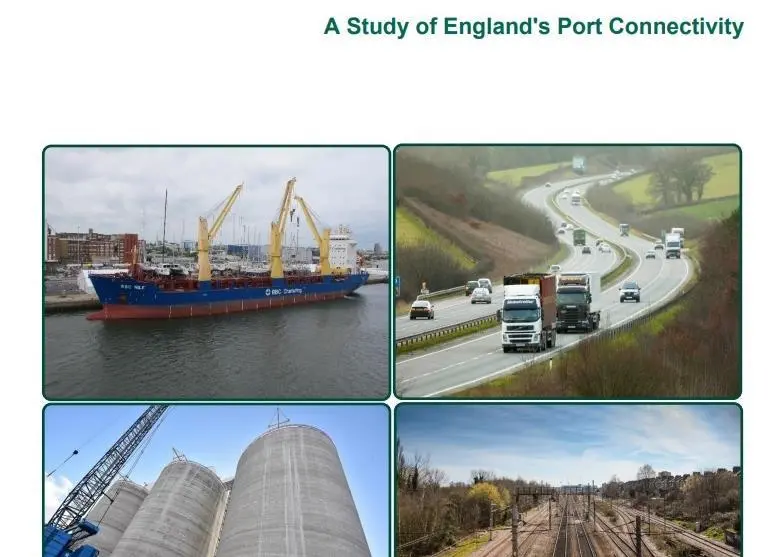
The Department for Transport’s port connectivity study aims to help influence funding, policy and planning decisions by highlighting the importance of England’s harbours and their global trade links. It also shows how ports can flourish by improving connections to inland businesses.
James Cooper, chair of the UK Major Ports Group (UKMPG) and chief executive of Associated British Ports (ABP), commented: “The Port Connectivity Study is very welcome. U.K. Major Ports Group members invest more than half a billion pounds a year in U.K. ports and infrastructure. But for the U.K. to maximise the value of this investment for the nation these ports need to be well connected to the rest of the economy.
“The Study’s recognition of the need to take a joined up, multi modal approach to key trade enabling freight corridors anchored on major ports is particularly welcome.”
More efficiency
Improved road and rail links can provide more effective freight journeys between key economic areas and ports, boosting productivity, lowering costs and giving access to international markets, highlighted ‘Transport Infrastructure for our global future: A Study of England’s Port Connectivity’.
The report also offers recommendations for government and industry on how to raise the profile of shipping, encourage closer collaboration on freight, and improve information-sharing. This links with the government’s Maritime 2050 strategy.
Alec Don, chairman of British Ports Association (BPA), said: “UK ports have over £1.7 billion of new private infrastructure investment in the pipeline and the industry relies on there being good connections onward from the port gate. 95% of UK trade moves by sea and so ensuring that our trading gateways are connected is critical to the ongoing health of our economy.”