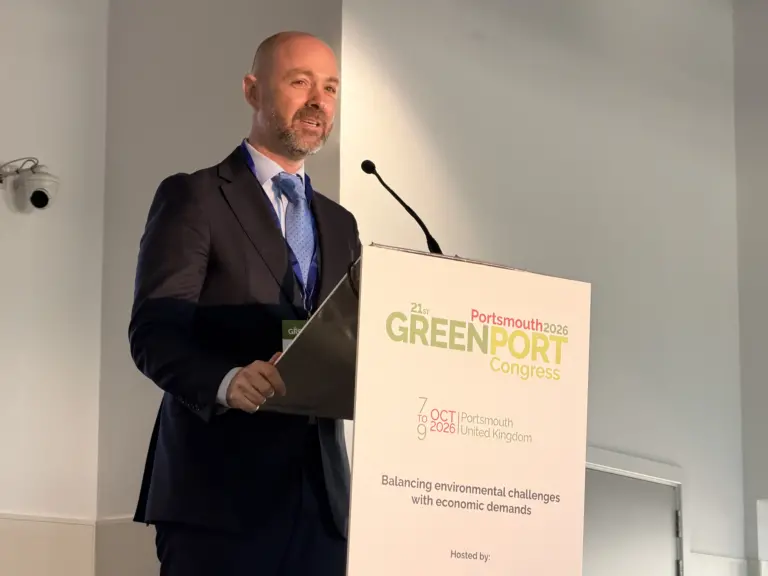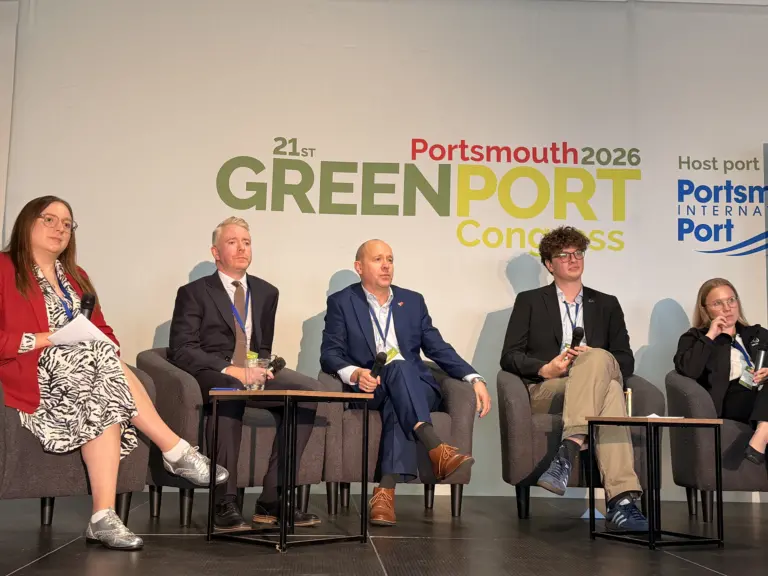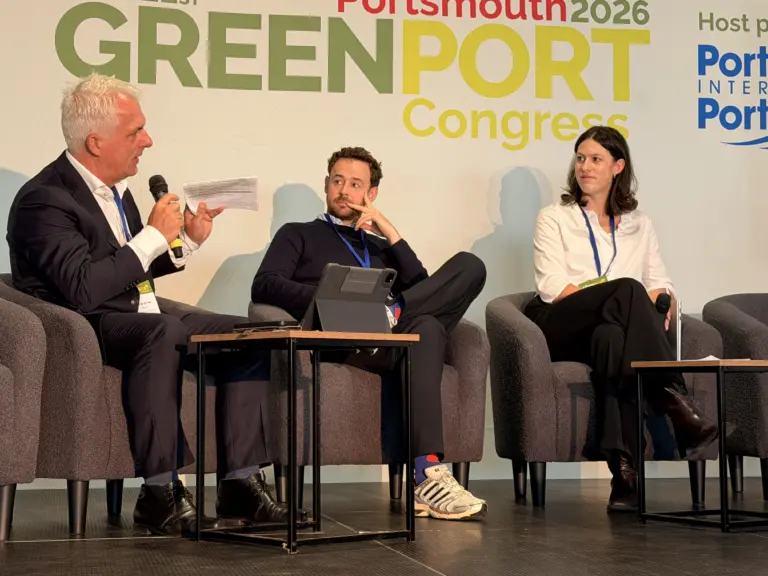
In comments that will chime with many in the industry, Ted Sangster of Milford Haven Port Authority says that all too often the planning regime gives disproportionate weight to environmental considerations, leading to costly delays and unreasonable rejections of development plans which ports wish to bring forward.
Around 830,000 tons of waste is delivered to the Waste Energy Company every year – in garbage trucks and container trucks, by train and soon as much as possible by inland vessel. Energy is harnessed upon the combustion of the waste and the city’s streetcars, subways, street lighting, traffic lights, the Music Theatre and City Hall – all of the city services run on electricity that is generated by the Waste Energy Company – as well as some 100,000 households. The heat that is released during the incineration of the waste is used to heat companies in the port area. There are also plans to provide an entire residential area in Amsterdam with heating in this way. All of which is sustainable energy, which reduces the emission of CO2. The combustion ash contains all kinds of valuable raw materials, such as sand and copper. These are removed and can be used again. “We do not want to throw away anything”, says Wil Matthijsen, manager of commercial affairs. “By retrieving all of the useful products from the residues, we make a modest contribution to counteracting the depletion of the world.”