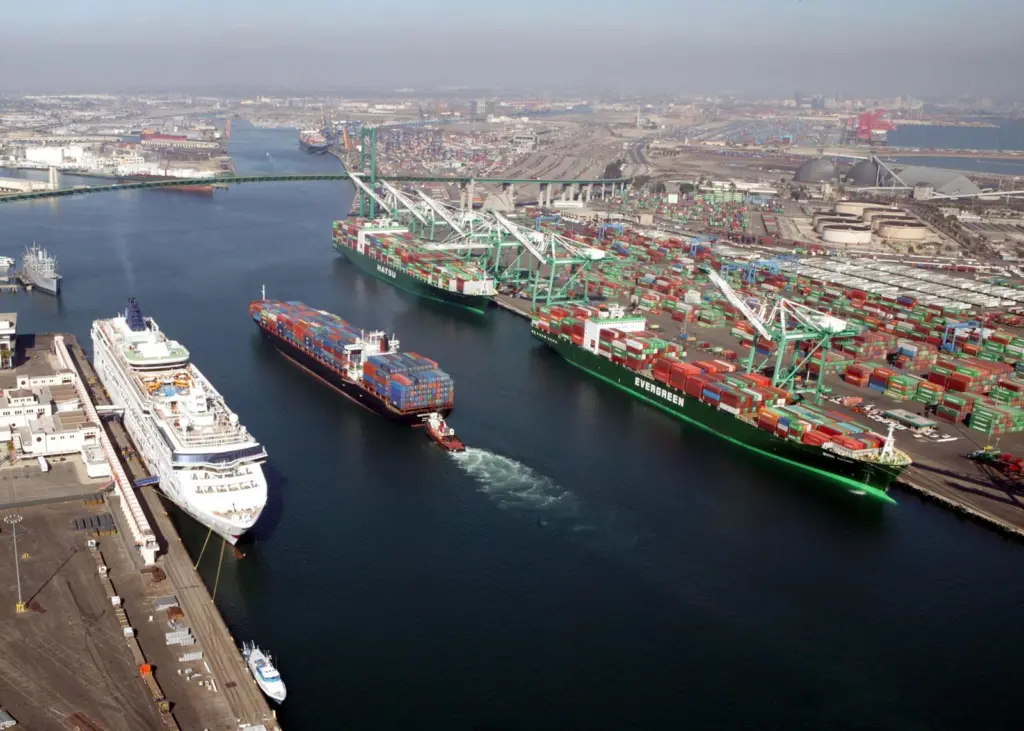
The Port of Los Angeles (POLA) is said to be particularly affected. Media reports said that one Los Angeles terminal might cut the workforce by as much as 50% after its automation upgrades are completed in 2016.
The International Longshore and Warehouse Union and the Pacific Maritime Union are still in the process of trying to negotiate a new contract for its 20,000 west coast dockworkers more than eight weeks after its existing contract expired.
And this is causing problems for the terminals who are struggling to move forward with their automation projects until labour issues are resolved.
The situation becomes even more urgent with the expansion of the Panama Canal which is due for completion next year because automation is seen as the most efficient way to get the post-Panamax vessels in and out of port quickly and stay competitive.
The TraPac project in LA is the first fully automated container terminal on the west coast – it’s scheduled to be completed in 2016. Meanwhile at the Port of Long Beach automation is also taking hold with Orient Overseas Container Line Asia working on automating two of its container terminals by 2019.
Terminals are defending their position on the automation issue by saying that workers will still be needed for repair and maintenance.
And they maintain that if ports are more competitive due to automation, they will bring more business into the local economy and create more jobs.