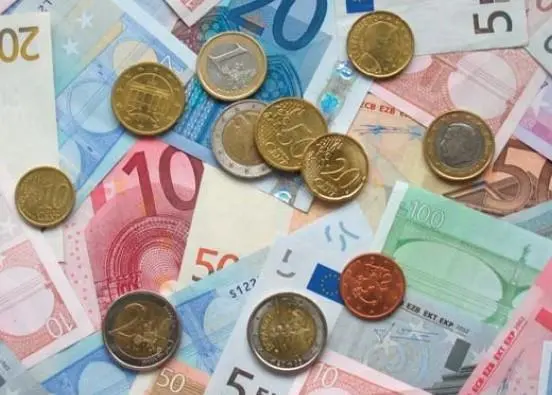
It has been a hard and rocky journey with some successes. Things like the Schengen Agreement, the Lisbon Treaty, the Euro currency and the European Central Bank but have not been followed by greater fiscal union, which is needed to create a cohesive strategy.
Europe’s economic growth is losing momentum. GDP figures showed that the eurozone’s economy expanded by just 0.2% in the three months to the end of September compared with the previous quarter. The decline is led by Germany. Most of the growth in the Euro area has come from consumer expenditure but that is beginning to evaporate as the manufacturing sector stalls.
A number of problems can be identified. Individual countries run their own economic and fiscal strategies. Germany and the Netherlands, with large budget surpluses, refuse to
spend to expand their economies.
This has an impact on the remaining members. Brexit is a nightmare for the Union as it exposes fault lines in other member states. A third problem is the EU budgeting system. With the new members from central and eastern Europe there are a lot of funds required to bring their economies in line with the richer north. This brings with it corruption.
In a recent article of The New York Times, an estimated $65 billion is spent on agricultural subsidies, around 40% of the total budget. “Europe’s farm program is being exploited by the same antidemocratic forces that threaten the bloc from within.”
The Common Agricultural Policy, developed for France but with Germany and the Netherlands signing on as well. is a major problem. For all intents and purposes, the EU Commission has failed to manage the system, not wanting to tackle the corruption of how the funds are shared out.
For the EU to survive it needs to address the issues that caused Brexit as well as how it spends its budget and where it wants to go. There is no consensus on any of these.