
Arctic gold rush needs caution
Some are likening the push into the Arctic as the “new gold rush” said maritime economist Ernst G Frankel of MIT at the recent 2012 Onassis Lectures at the Cass Business School – but it needs to be a careful balancing act.
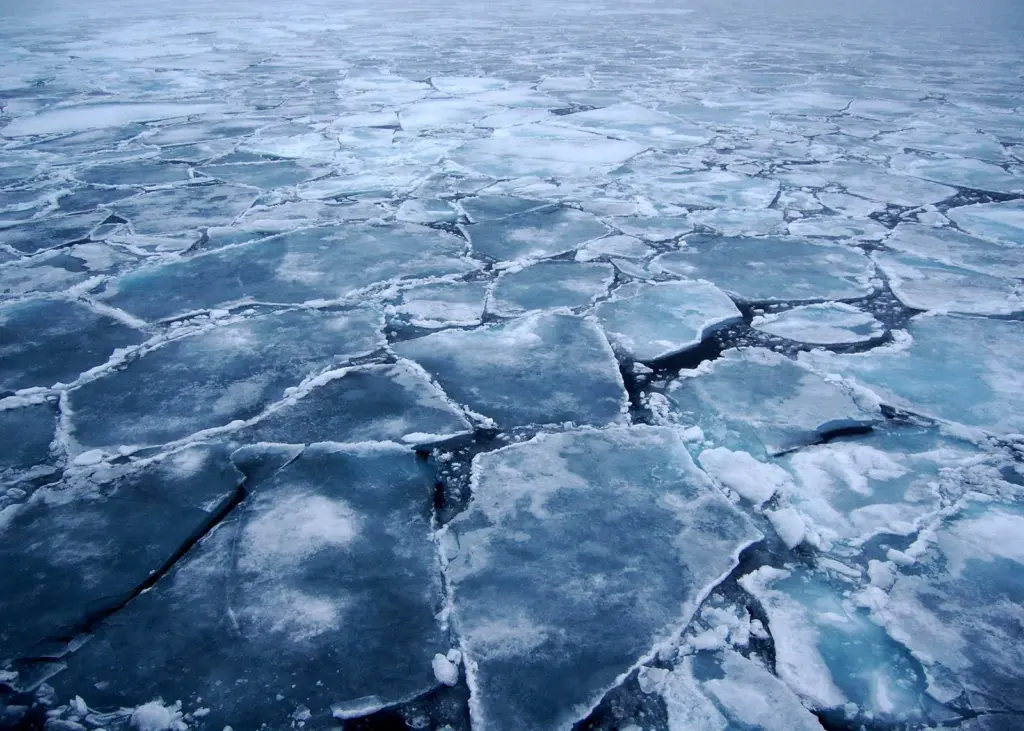
Mr Frankel pointed out that 2011 saw a number of large ice-class tanker voyages from Arctic production fields to China, South Korea among others. There is also a growing interest in the North West Passage across the north of Canada from Greenland to North Alaska.
However, the Arctic is warming twice as fast as the rest of the planet, largely because of the Albedo effect which causes darker surfaces such as land and water to absorb more heat than white surfaces such as snow and ice: further, as ice becomes thinner, its rate of melting increases. There is also a large increase in soot and other carbon particles in the air which will have a huge effect on surface warming, says Mr Frankel. As a result, Arctic sea ice is melting or receding much faster than predicted. “Arctic ice melting will continue to accelerate at an even greater rate with losses increasing from 2% per year to over 4% in the next ten years,” he said.
However, it’s a balancing act: “Human development and use of the Arctic must be effectively managed to prevent a catastrophe which would not only affect nations bordering the Arctic, but the whole world. At the same time, we must recognize the huge amount of resources and opportunities which are opening up greater accessibility in the Arctic.”
He concluded, however, that there are reasons to be hopeful, if cautious. “It is important to note that unlike other regions, the Arctic has developed into a cooperative region in terms of political and economic cooperation. In fact, the Arctic is a unique example of international relationships which puts the good of mankind first and considers global benefits and costs in a fair and just manner. In fact, the Arctic Council of Arctic nations have become an example of international cooperation.”
Related Articles
 EUROPE GREENPORT
 ALTERNATIVE FUELS GREENPORT
 ALTERNATIVE FUELS GREENPORT