

EXCLUSIVE: Greener ports depend on smarter shipyards
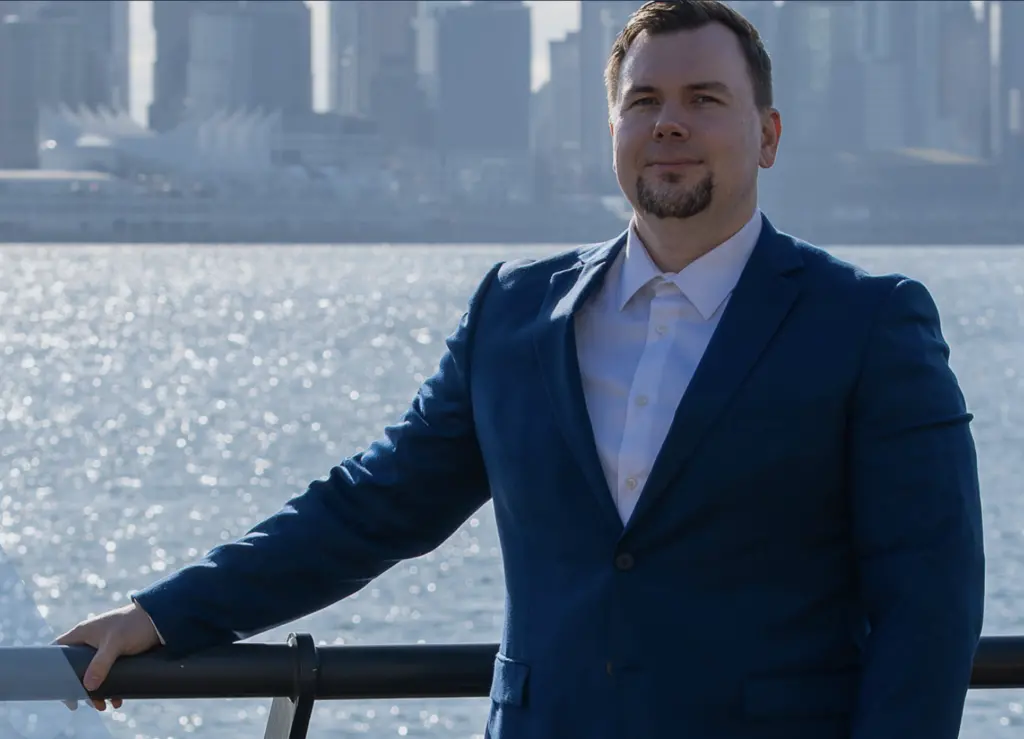
Miska Merikukka, Vice President, Sales and Business Development at Elomatic talks to GreenPort about the importance of shipyard optimisation in helping ports meet their decarbonisation targets
As global supply chains continue to adapt to the ongoing energy transition, investment in advanced infrastructure within the world’s ports represents a vital link in the maritime industry’s development of alternative fuels. As a result, shipyard optimisation has become an essential lever that will ultimately deliver the modern vessels that will be required in order to support the transition.
Ports are under increasing pressure to reduce emissions, improve operational efficiency and prepare for a new generation of vessels. Investment in shore power, alternative fuel bunkering and cleaner cargo-handling equipment is helping to reshape port infrastructure.
However, Port decarbonisation is not simply a matter of integrating new infrastructure. Shore power systems, alternative fuel supply chains and other low-emission technologies must also align with the capabilities of the vessels using them. Without suitable onboard systems, compatible infrastructure can remain underutilised, while delays in vessel construction or retrofit programmes can complicate ports’ investment and transition plans.
Much of the discussion around maritime decarbonisation centres on regulation, alternative fuels and vessel design, which are fundamental to achieving the IMO’s ambition of net-zero greenhouse gas emissions by or around 2050. However, the industrial processes that turn these ambitions into operational vessels receive considerably less attention.
Shipyard optimisation is one such area, by improving project management processes, production planning and the integration of advanced digital systems, shipyards can accelerate the delivery of more efficient vessels that are equipped to use lower-emission fuels. For ports, this has implications extending beyond the shipyard operations, influencing fleet readiness, retrofit capacity and the practical adoption of cleaner maritime technologies.
Connecting port ambitions with vessel capability
As ports continue to develop capabilities that support alternative fuels and lower-emission operations, shipowners need vessels that can use them safely and efficiently. Methanol dual-fuel propulsion, hybrid-electric systems and alternative-fuel-ready designs all introduce additional engineering and integration requirements, which must be managed throughout the design and construction process.
This places greater demands on shipyards, particularly as the industry works to renew an ageing fleet while maintaining existing vessels in service. Shipyards must be able to coordinate increasingly complex propulsion systems, safety requirements, equipment procurement, construction schedules, as well as aligning with increasingly stringent regulatory frameworks, all without compromising quality or delivery times.
Retrofit capacity is equally important, as existing vessels will remain part of the global fleet throughout the energy transition, and many will require upgrades to improve energy efficiency, meet changing regulatory requirements or accommodate new technologies. Shipyards that can plan and execute these programmes efficiently will be better positioned to support shipowners as well as the wider port and shipping ecosystem.
For ports, more predictable vessel delivery and retrofit schedules can also support longer-term infrastructure planning. Clearer visibility of when vessels will enter service and what fuel and power they will require can help port authorities, fuel suppliers and grid operators coordinate investment in bunkering and shore power, and reduce uncertainty across interconnected projects.
Digitalisation as an enabler of port and shipyard efficiency
Achieving these improvements requires more than individual production upgrades. Shipyards must be able to connect engineering, procurement, project management and production through a more integrated approach.
Many facilities continue to operate with outdated infrastructure and workflows that were developed to support earlier generations of shipbuilding. Where engineering information, procurement schedules and production plans are managed through disconnected systems, inconsistencies can emerge, leading to costly rework, delays and inefficient use of resources.
These challenges are particularly significant when constructing vessels with complex alternative-fuel systems or delivering extensive retrofit programmes. Changes to one part of a design can impact equipment specifications, installation sequences, safety arrangements and commissioning requirements elsewhere in the project. Without a consistent flow of information, teams risk working with outdated data or identifying conflicts too late in the process.
Product Lifecycle Management platforms, digital twins and integrated planning systems can help address these issues by establishing a centralised digital ecosystem that connects information across the engineering, procurement and production lifecycle.
Digitalisation can also support the management of port assets themselves. Integrated asset performance management systems, such as Elomatic’s Aura APM system for example, can consolidate maintenance records, technical documentation and permit information, helping operators move from reactive maintenance towards more structured planning. While this is distinct from shipyard production optimisation, both approaches demonstrate the value of connecting operational information to improve asset availability and resource management.
Putting optimisation into practice
Elomatic’s work with Seaspan Vancouver Shipyards illustrates how integrated engineering and project management can support complex shipbuilding programmes. As part of Canada’s Multi-Mission Polar Icebreaker project, Elomatic has supported the optimisation of the engineering process and the implementation of in-house project management software to manage engineering activities.
Similarly, during the construction of the new Polarstern icebreaker in Wismar, Germany, Elomatic has worked as the sole engineering partner of TKMS, providing administrative and digital infrastructure support. This includes the implementation of Cadmatic Wave, a project development management system developed in partnership with Cadmatic and Contact Software. The system is designed to centralise engineering data and support document management, project coordination and data visualization.
Although these projects focus on shipbuilding rather than port infrastructure directly, they demonstrate how more connected engineering processes can help manage the complexity of modern vessels. The same underlying principle applies across the maritime value chain, whereby effective coordination between systems, teams and project stages is essential when multiple technologies must work together.
Collaborative initiatives are also exploring how production processes can be improved further. The EU-funded SEUS project, with Cadmatic as technical coordinator, aims to reduce engineering time by 30% and assembly time by 20%. Results are expected by the end of 2026 and will help establish evidence of the potential efficiency gains within the shipyard.
Taking a whole-system approach to decarbonisation
Ports and shipyards are often considered separate parts of the maritime value chain, with investment and operational priorities managed independently. However, the transition to lower-emission shipping depends on both being equipped to support modern vessel requirements.
Ports need infrastructure that can accommodate the vessels of the future, while shipowners need access to shipyards capable of delivering those vessels and upgrading the existing fleet. Delays, capacity constraints or fragmented planning in one area can affect progress elsewhere.
A more integrated approach does not remove the technical, commercial and regulatory challenges associated with maritime decarbonisation. It can, however, help make projects more predictable, improve the use of existing resources and strengthen the connection between long-term environmental ambitions and day-to-day delivery.
Related Articles
 ENERGY & TECHNOLOGY GREENPORT
 CRUISE GREENPORT
 INSIGHT & OPINION GREENPORT