

HAROPA port system praise
The HAROPA port system has received praise from ESPO for the role its playing in making the Seine artery a logistics system that is both competitive and sustainable.
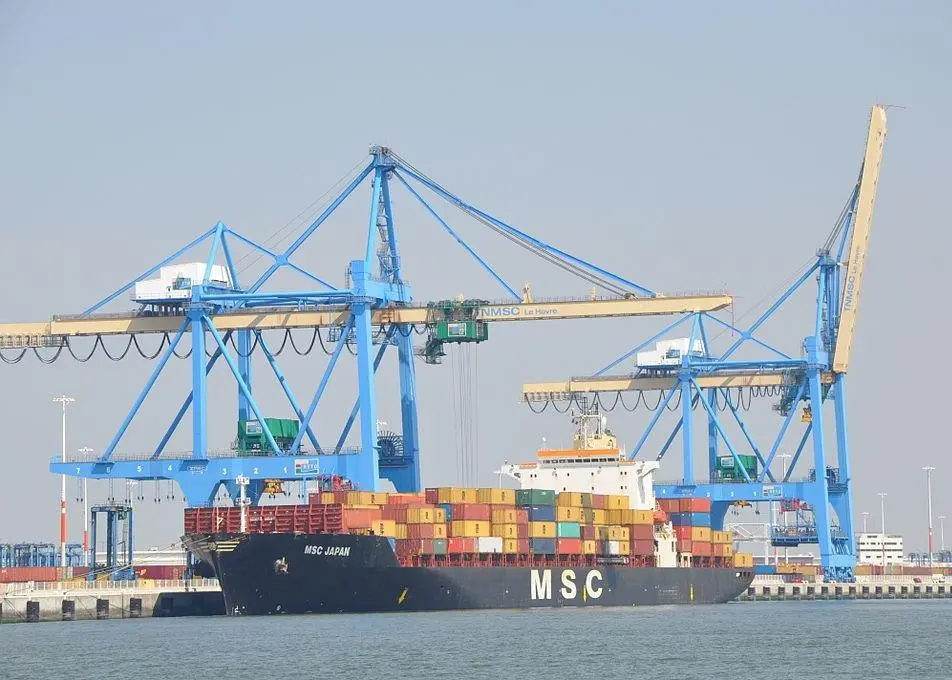
HAROPA’s unique position in Europe with regards to both sea and river, means it has a key role to play in the setting-up of regional logistics chains and encouraging industrial players in the region to opt for a modal shift to transport by sea.
It takes sustainable supplier relationships very seriously. One supplier, General Cable, a leader in cable and wire manufacturing, ships cargo from its Montereau-Fault-Yonne production site to the Port of Le Havre by way of the Seine river transport system. This means that the manufacturer reduces its CO2 emissions by 30% (4,240 kg CO2 equivalent instead of 6,190 by road).
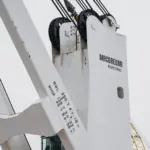
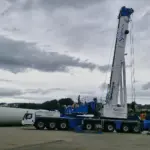
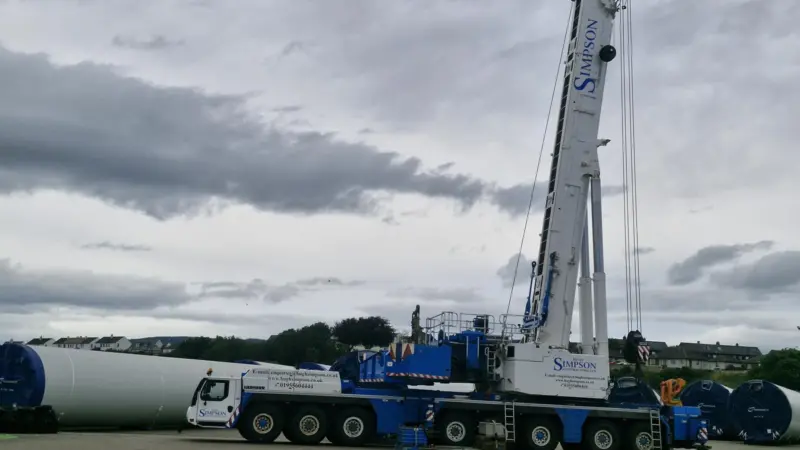
HAROPA has become an essential link in the heavy lift logistics chain, mainly thanks to its cargo-handling capacity which means that loads from 25 to 1,000 tonnes can be handled.
Because the corridor is within the Sulphur Emission Control Area (SECA) zone, a project called Study for Alternative Fuels and Experiment in the SEine Channel Area (SAFE-SECA) is being implemented by HAROPA partner ports and financed with TEN-T funds. It aims to facilitate low sulphur fuel bunkering operations and to initiate a low-sulphur fuel bunkering supply chain in the Seine valley and bay.
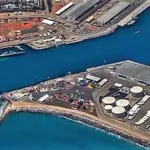
The fifth largest port complex in Northern Europe, HAROPA is a joint venture between the ports of Le Havre, Rouen and Paris. Connected to 600 ports worldwide, it handles over 120 million tons of cargo by sea and waterway each year.
Related Articles
 EUROPE GREENPORT
 ALTERNATIVE FUELS GREENPORT
 ALTERNATIVE FUELS GREENPORT