



BUDGET PLANNING DURING A PANDEMIC
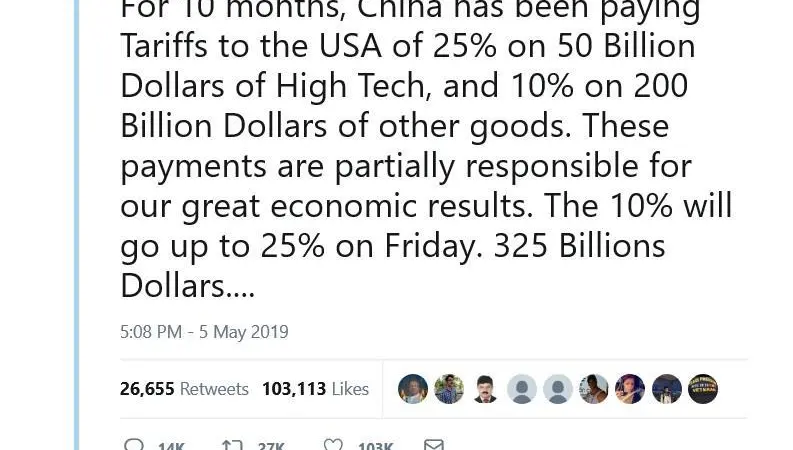
COMMENT: Planning for a 12-18 month period has been difficult during the past few years as globalisation has come under pressure and the Trumpian trade wars with friends and foe alike are creating enormous uncertainties, writes Ben Hackett.
Now with the COVID-19 pandemic here and no end in sight it is something of a nightmare.
Economists have reverted back to the alphabet projections of the Great Recession of 2008-9. V, L and W shapes to the recovery were in common use.
Today, the overly optimistic crowd put faith in the V shape – a sharp collapse followed by sharp return to growth.
The pessimists lean towards the W which reflects the collapse of economic activity followed by stimulus induced recovery and a subsequent 2nd wave of the pandemic and then recovery.
The L crowd are the super pessimists who see a new norm with a slow recovery some years out.
Then there is the J curve which reflects the collapse, a hesitant recovery followed by a new norm of economic activity a couple of years out by 2022 that brings sustained growth.
I tend to go with the J crowd as the current situation of yo-yo economic fundamentals such as retail sales, industrial production and inventory building are not providing proof of sustained growth as unemployment rises as various international furlough schemes come to an end and consumer uncertainty is resulting in rising levels of savings. The travel and service industries are worst hit as working from home is the new norm leaving city centres empty.
Shipping, and consequently ports, are enjoying some growth in activities but this appears to be somewhat of a false hope not fully supported by a strong demand for goods.
Carriers are having a surprisingly good financial year despite the decline in cargoes. I suspect that this is due to significant savings in fuel costs and strict management of capacity as the three alliances exert their new found strength to raise freight rates while avoiding market share battles of days gone by.
New building orders are at an historic low as well. Meanwhile some port expansion plans are being scaled back as volumes decline.
In light of these events it appears that the safest planning process should avoid both the optimistic and pessimistic scenarios being painted and instead focus on a slower recovery.
Related Articles
 THE ECONOMIST
 THE ECONOMIST
 THE ECONOMIST