![GreenPort[PortStrategy]](https://www.portstrategy.com/greenport/wp-content/uploads/sites/4/2026/09/GreenPortPortStrategy.svg)



Ports urge action on energy costs
BPA is calling for electricity reforms to unlock port electrification, investment, industrial growth and decarbonisation
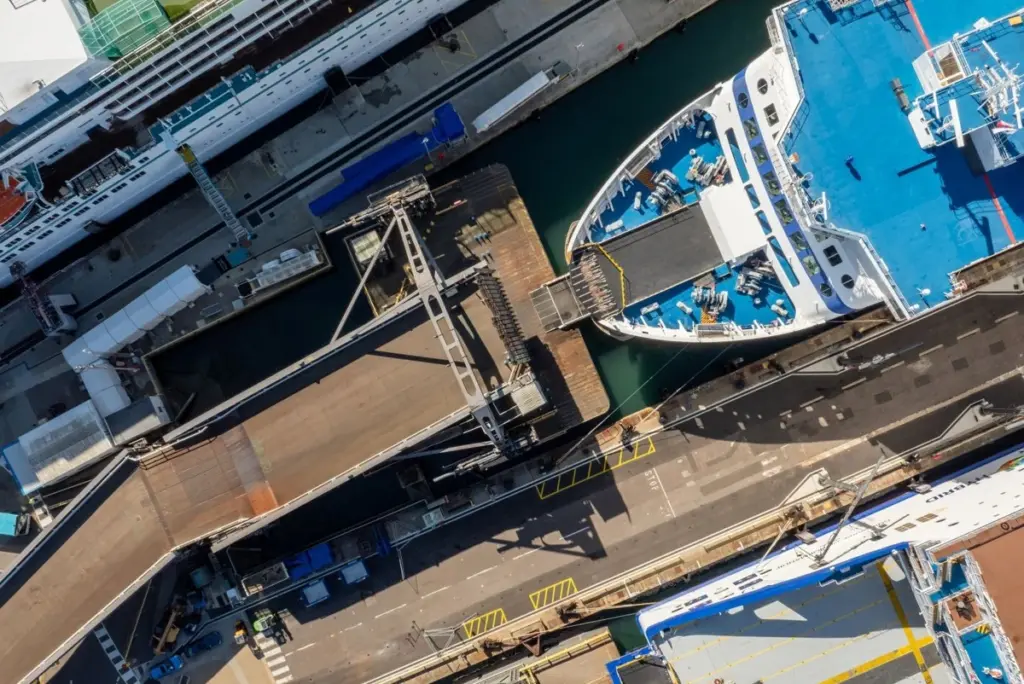
The British Ports Association (BPA) has called for reforms to UK electricity pricing, network charging and infrastructure funding to help ports electrify and support wider coastal industrial development.
Its new report, ‘Powering UK Ports: A Policy Framework for Electrification & Shore Power’, sets out 14 recommendations ahead of this month’s budget. The proposals aim to make electricity more affordable, improve infrastructure investment and provide greater certainty over future demand.
“Government can provide no-regret support for port electrification at a very modest cost in the short term, while removing some of the structural barriers that are holding back private investment,” said Mark Simmonds, BPA director of policy & external affairs.
The report argues that high electricity prices, network charges imposed before new infrastructure is fully utilised and uncertainty over future grid capacity are making potentially viable port electrification projects harder to finance. Official DESNZ figures show the UK had the highest medium non-domestic electricity prices among the EU14 countries plus the UK in the second half of 2025.
The BPA says many reforms would require little or no direct Treasury spending. It estimates that extending Climate Change Levy relief to shore power would initially cost the Exchequer less than £5 million annually.
Electrification is expected to significantly increase electricity demand at ports as vessels adopt shore power and charging infrastructure. The BPA argues that investment could also support manufacturing, logistics, energy projects and other industrial activity around ports.
Among its recommendations, the association is calling for electricity-cost relief comparable with support available to other strategically important industries, reforms to fixed network charges, better recognition of future port demand in grid planning and multi-year funding for shore power and vessel charging.
The BPA also wants a meaningful share of maritime UK ETS revenues recycled into decarbonisation and targeted measures to address the cost disadvantage of shore power compared with onboard generation.
“The Prime Minister has also made cheaper electricity and faster grid connections a priority this week. Ports should be at the heart of that agenda,” Simmonds said.
The association said the budget provides an opportunity to remove barriers and encourage private investment in port electrification.
Related Articles
 ENERGY & TECHNOLOGY GREENPORT
 ENERGY & TECHNOLOGY GREENPORT
 ENERGY & TECHNOLOGY GREENPORT