




APSEZ onboard controversial port project
Adani Ports and Special Economic Zones Ltd. (APSEZ) has received official confirmation of its involvement in a controversial Sri Lankan port project.
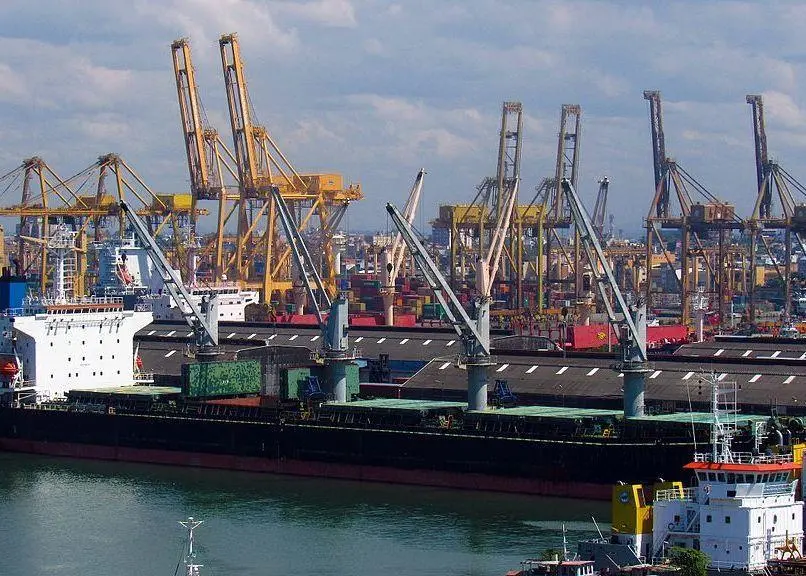
APSEZ has received a Letter of Intent (LOI) from the Ministry of Ports and Shipping of Sri Lanka and the Sri Lanka Ports Authority, acting on behalf of the Government of Sri Lanka, pursuant to approval from the Sri Lankan Cabinet of Ministers for the development and operations of West Container Terminal (WCT) at Colombo Port in Sri Lanka.
Earlier this month, the Sri Lankan government confirmed a new deal to develop the WTC, after it scrapped a deal to develop the East Container Terminal (ECT) of the Colombo Port, with 49% investment by India’s Adani Group and other stakeholders in February.
Karan Adani, CEO and whole time director of APSEZ, said: “Any port partnership is a validation of the mutual trust between two nations and in this context the WCT partnership is significant on several fronts.”
He added: “The combination of the strategic location of the Port of Colombo as a launching point for transshipment across the entire subcontinent, the deep domestic strength of SLPA and John Keells Holdings PLC, and the Adani Group’s unmatched network of container terminals across the Indian coastline opens up several dimensions of growth possibilities for years to come, not just within our two countries but also to the east as well as the west of our two nations.”
35-year deal
APSEZ will partner with John Keells Holdings PLC, Sri Lanka’s largest diversified conglomerate, and with the Sri Lanka Ports Authority (SLPA) as a part of the consortium awarded this mandate. The WCT will be developed on a Build, Operate and Transfer basis for a period of 35 years as a public-private partnership. WCT will have a quay length of 1400m and alongside depth of 20m, thereby making it a prime transhipment cargo destination to handle Ultra Large Container Carriers.
The project is expected to boost WCT’s container handling capacity and further consolidate Sri Lanka’s locational advantage as one of the world’s top strategic nodes along the busiest global transhipment route. The Colombo Port is already the most preferred regional hub for transhipment of Indian containers and mainline ship operators with 45% of Colombo’s transhipment volumes either originating from or destined to an Adani port terminal in India.
The network impact of this partnership is significant and mutual benefits are expected from the 7 container terminals across its 12 ports that Adani operates.