

Hybrid ferry propulsion
The UK’s first hybrid high-speed passenger ferries will be powered by a propulsion system from Danfoss Power Solutions’ Editron division.
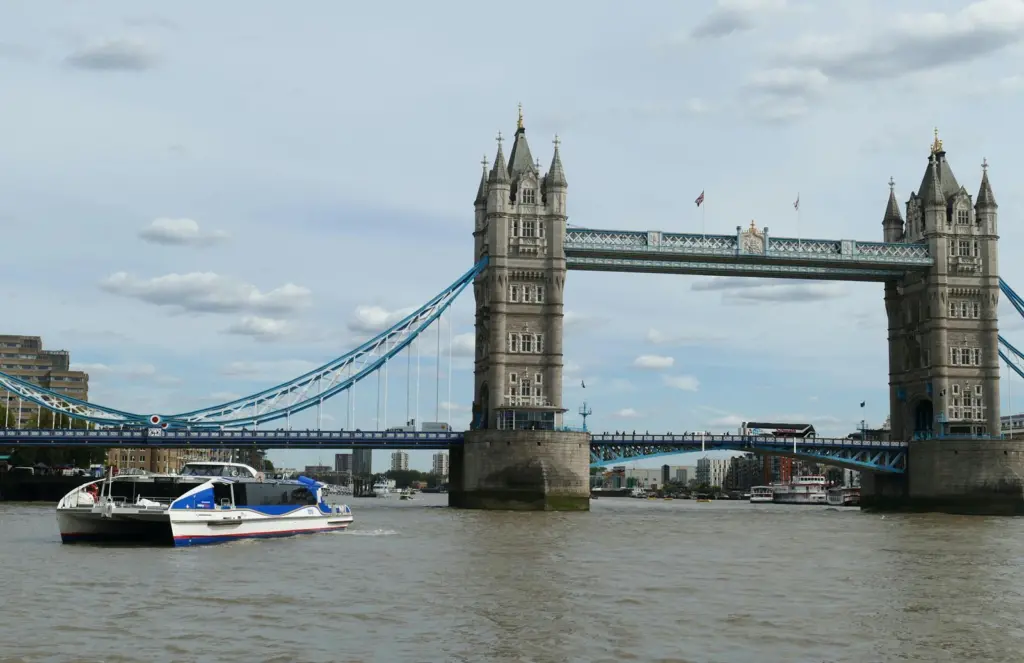
Uber Boat by Thames Clippers has commissioned the new 40 metre ferries, built at an Isle of Wight shipyard and set to launch in London later this year, bringing emissions free travel to the capital.
Each is capable of transporting up to 230 passengers and will help London meet its ambitious target of becoming a zero-carbon city by 2030.
“Cities and countries are increasingly turning to electrification solutions for their near-coastal vessels, not only to reduce CO2 emissions, but also to increase operational efficiency,” said Erno Tenhunen, Danfoss’ Editron division’s marine director.
“The global potential for this electric conversion is also supported by technological innovations and a steady decrease in battery prices, enabling projects to achieve attractive payback times for ferry owners,” he added.
Wight Shipyard Co turned to system specifier, integrator and installer SEC Marine, Danfoss’ Editron division and battery system supplier Spears Trident to power the new hybrid ferries. The Editron division will provide the vessels’ complete high-voltage DC distribution and control system, as well as motors and inverters.
The excess power from the biofuel engines will be used to feed the onboard AC supply and charge the batteries, removing the need for separate diesel-driven auxiliary generator.
Additionally, in power take-in mode, this solution can feed the energy stored in the batteries back into the main propulsion line meaning the ferries can sail on electric propulsion only or combine the battery energy with the main driveline machine.
Related Articles
 ALTERNATIVE FUELS GREENPORT
 ALTERNATIVE FUELS GREENPORT
 ALTERNATIVE FUELS GREENPORT