



Electric charging network
The UK’s first e-marine hub of shore-side charging facilities for electric maritime vessels has been unveiled in Plymouth
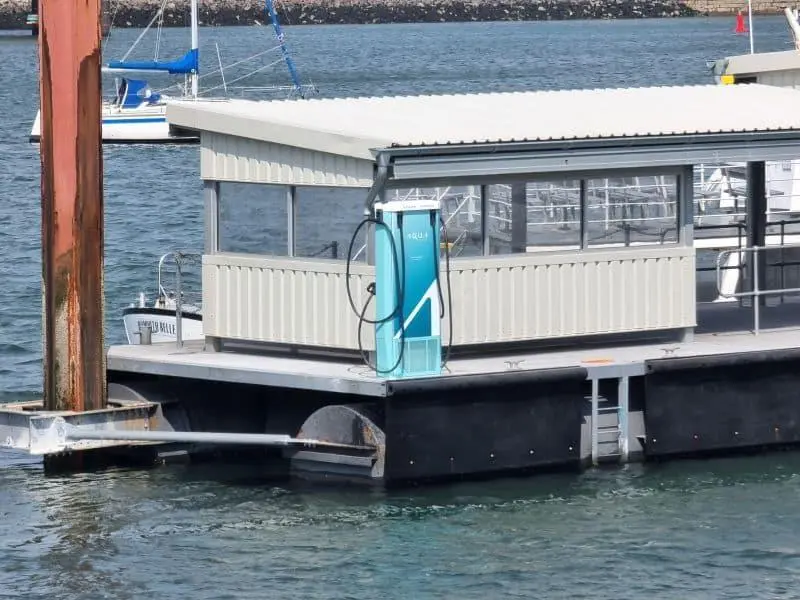
The charging network has been created through the Marine e-Charging Living Lab (MeLL) initiative, a consortium led by the University of Plymouth in partnership with Plymouth City Council, Princess Yachts Limited and Aqua superPower.
“The [UK] Clean Maritime 2050 strategy underlines how crucial it is that the sector moves forward and includes a number of ambitious net-zero objectives. That includes the increased electrification of commercial vessels, but if there is no infrastructure in place you cannot support the growing number of businesses looking to employ this technology,” said Sarah Fear, project and knowledge exchange manager at the University of Plymouth and MeLL project lead.
Tackling port emissions
“This charging network is a game-changer for Plymouth’s forward-thinking marine enterprises, and our ongoing research in this field is enabling the city and region to blaze a trail in clean maritime innovation,” she added.
A series of high power DC electric charging stations has been switched on in prominent locations along the perimeter of the Plymouth Sound National Marine Park. The network has been designed to offer commercial enterprises of all sizes with a sustainable, cost-effective and time-effective means of making the switch from diesel to electric power.
This includes a 150kw charging facility at Mount Batten, a 75kw site at Queen Anne’s Battery and a 25kw installation at the Barbican landing stage.
Further installations are now being developed along the city’s waterfront, with additional sites also being identified in Devon and Cornwall with a view to providing electric charging facilities every ten miles along the counties’ southern coastline.
The charging network directly responds to the UK government’s Clean Maritime Plan for maritime net zero and its drive to increase the UK’s current percentage of clean electricity to 100% by 2035.
Research by the University, carried out during the planning stage of the project, has shown the network has the potential to reduce port emissions by 96.60% in the next 30 years.
Related Articles
 PRODUCTS & SERVICES GREENPORT
 PRODUCTS & SERVICES GREENPORT
 PRODUCTS & SERVICES GREENPORT