


Ballast water treatment for muddy water ports
India has been advocating port-based mobile ballast water treatment since 2013 especially in ports with challenging water quality which can suffer from non-compliance.
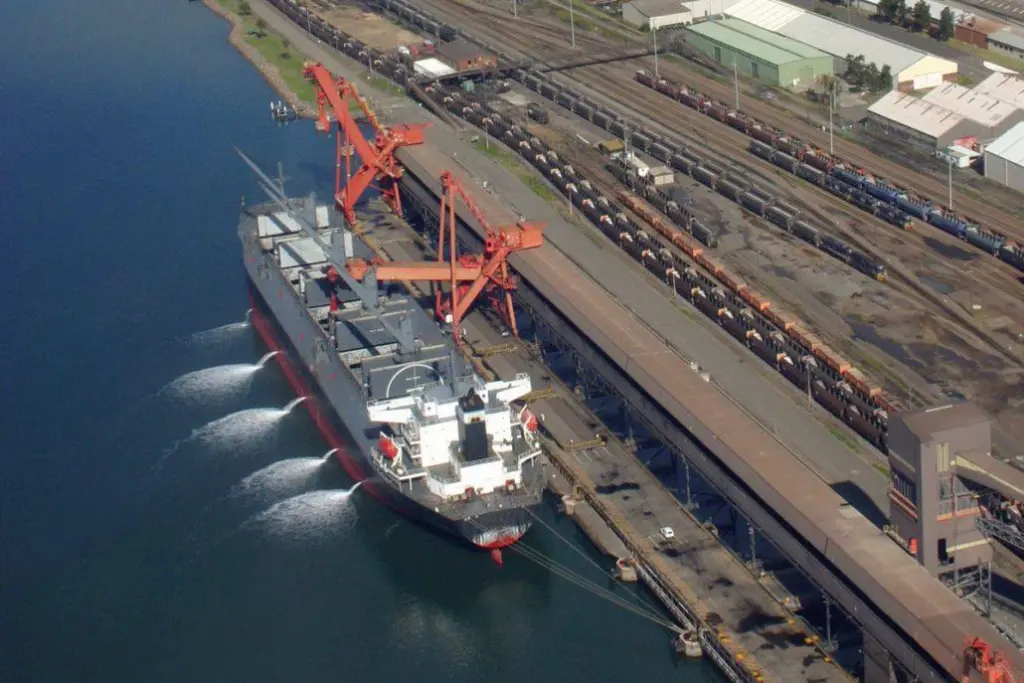
That is according to Sandip Patil of Indian Register of Shipping’s Research and Innovation Center, who says that ballast water treatment boats can ensure reliable ballast delivery to ships at all times.
At recent sessions of the Marine Environment Protection Committee (MEPC) and the Pollution Prevention and Response (PPR) sub-committee, IMO discussed the issue of contingency measures for the Ballast Water Management Convention, including what to do if a port authority finds a ship’s ballast water non-compliant with discharge standards after the use of treatment systems.
In response to this, South Korea submitted a paper (MEPC 71/4/21) which is eye opening for industry. The Korean delegation claims that systems are not working properly in ports with challenging water quality.
Muddy water in some ports mean that either systems are clogging because of high turbidity, or ballasting operations are delayed beyond reasonable limits due to frequent start-stop back flushing. The paper suggested as a contingency measure that in muddy water ports systems should not be used and ballast water should instead be exchanged at high seas or mid ocean, where systems can be used effectively.
Reliable treatment
But port-based mobile facilities delivering treated water can, according to Mr Patil, provide ten times more catchment areas at sea chest suction to avoid frequent back flushing. These ballast water treatment boats – for example the BWTBoats concept developed by the Indian Register – can be provided with multiple series of modular filters for redundancy, thereby ensuring reliable ballast delivery to ships at all times.
With space availability and viability through a shared business revenue model, BWTBoats can provide ballast at any TSS or sediment load.
Recent design developments in the BWTBoat concept have not only brought down its capital requirement by half but also mean that a ship doesn’t need to be modified or have a deck connection to receive treated ballast water. Ships can receive water at flow rates from 10-10,000m3/hr seamlessly without any delay or retrofitting costs. The system acts as an external ‘plug in’ to sea chests during ballast uptake.
Before muddy water ports were identified as an issue, BWTBoats had a unique business model, acting as ballast water treatment (filtration and chlorination) facilities at all ports wherever user ships call.
Now they can provide an additional benefit by offering only filtered water up to 50 microns to ships at muddy water ports. Ships fitted with their own systems can then treat the filtered water themselves to meet discharge standards.
Mr Patil said that a ballast water treatment system retrofit can cost a ship owner up to US$1.5 million, which is a further financial burden to ship owners during maritime slowdown. If BWTBoats were deployed at common ports it could not only save on the huge capital investments behind onboard systems for ship owners, but also divert these funds to comply with 2020 sulphur cap.
At MEPC 70, the ballast water working group gave encouraging comments (MEPC 70/WP.10) for the implementation in practice of such facilities, especially for ships unloading cargo among fixed ports.
Mr Patil said that the financial demands of regulations beyond ballast water and the current market situation may now make these facilities an even more attractive prospect going forward.
This article has been adapted from The Motorship.
Related Articles
 PRODUCTS & SERVICES GREENPORT
 ENERGY & TECHNOLOGY GREENPORT
 ENERGY & TECHNOLOGY GREENPORT