

bp eyes german hydrogen hub potential
bp is evaluating the feasibility of building a new hydrogen hub in Germany in order to create greater energy independence for its German customers.
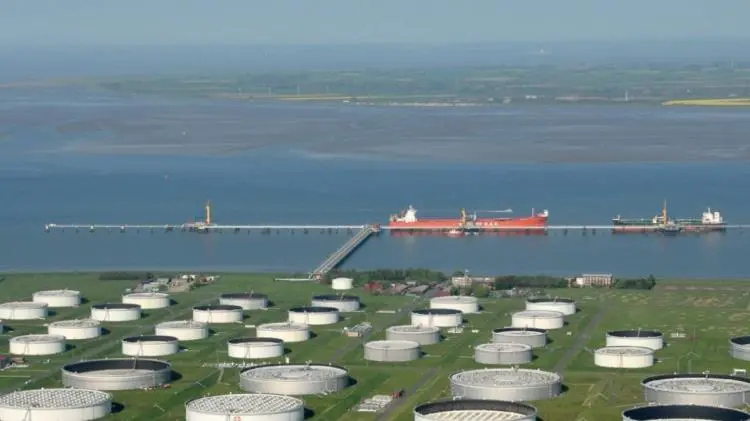
The project, in Wilhelmshaven, is expected to include an industry leading ammonia cracker which could provide up to 130,000 tonnes of low-carbon hydrogen from green ammonia, per year, from 2028.
“Wilhelmshaven has a proud energy history, and we hope this hydrogen hub can help carve out its next chapter and help Germany meet its energy transition goals,” said Patrick Wendeler, chief executive of bp Europa SE.
Hydrogen transport
Green ammonia – produced by combining nitrogen with hydrogen derived from the electrolysis of water using renewable energy sources – is expected to be shipped from bp green hydrogen projects around the world to Wilhelmshaven.
The cracker converts the green ammonia into green hydrogen by splitting the larger molecule into its smaller nitrogen and hydrogen components which can then be used directly.
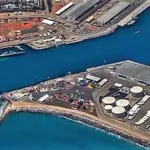
bp’s plans include utilising the existing infrastructure of the Nord-West Oelleitung (NWO) terminal at Wilhelmshaven, where it is a participating shareholder. With its deep-water harbour and pipeline system, Wilhelmshaven is one of the country’s most important energy terminals and is well positioned to support energy transition activities.
Additionally, bp’s plans propose to utilise the current oil and gas pipelines for use in hydrogen transport. The low-carbon hydrogen could then be delivered to customers in the Ruhr region and other centres of demand.
The proposed project is the latest in a string of hydrogen proposals in the country.
Related Articles
 ALTERNATIVE FUELS GREENPORT
 ALTERNATIVE FUELS GREENPORT
 ALTERNATIVE FUELS GREENPORT