





Ports H2 supply and demand study
The European Union needs to radically accelerate the deployment of hydrogen and its associated infrastructure in ports in order to meet 2030 targets, says the first part of a study by Deloitte Belgium.
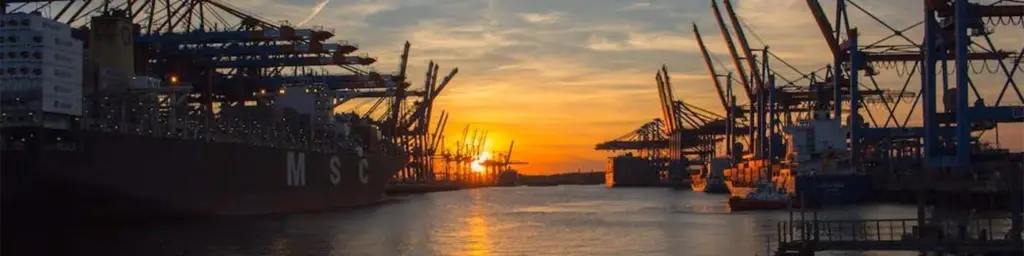
The study, commissioned by the Clean Hydrogen Partnership, says that up to 42% totalling 22 Mt or 730 TWh of total hydrogen demand across the EU could be located in port areas.
According to the REPowerEU plan the ‘development of port infrastructure and their connection to both industrial and transport users will be of critical importance’ for increasing the demand for green hydrogen in Europe to 20 million tonnes by 2030.
The study looked at the potential demand for hydrogen supply in ports and coastal areas in 2030, 2040 and 2050. The key message is that achieving REPowerEU’s ambitious plan will require an accelerated investment into dedicated port infrastructure.
Deloitte’s analysis concludes that the share of hydrogen import in total hydrogen consumption across the EU could range from 25% to 70%, depending on the ability of member states to increase the deployment of production capacities such as solar PV and wind power.
The report also provides, for each scenario, the required production, import terminal, conversion, storage, transportation and consumption infrastructure capacities plus investment costs to match the predicted future hydrogen supply and demand.
Parts two and three of the report are expected later in the year and will look at policy, R&D priorities, regulation and standards, and examine case studies into the feasibility of hydrogen.
Related Articles
 ALTERNATIVE FUELS GREENPORT
 ALTERNATIVE FUELS GREENPORT
 ALTERNATIVE FUELS GREENPORT