
Ports play key role in decarbonising UK freight
Ports have a key role to play in a whole system approach to decarbonising the UK’s commercial transport network.
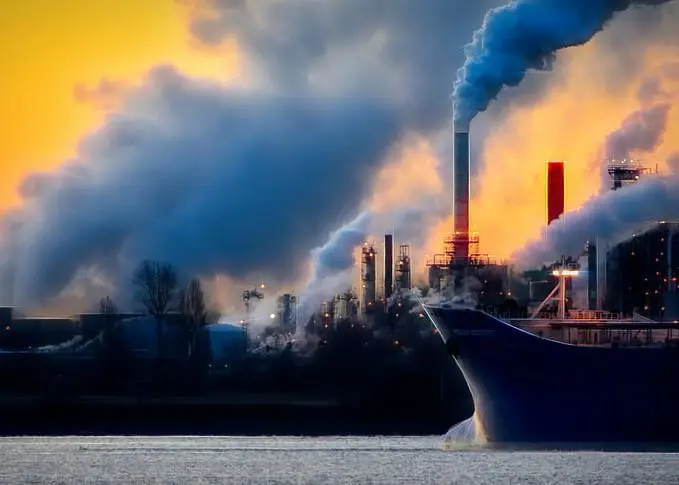
The end of project report released by the Decarbonising UK Freight Transport (DUKFT) Network suggests several ways to overcome the chicken-and-egg problems associated with decarbonising road, rail and maritime freight which collectively accounts for nearly 7% of UK CO2 emissions.
Professor Phil Greening, joint principal investigator of DUKFT, Director of Centre for Sustainable Road Freight and Centre for Logistics and Sustainability, Heriot-Watt University said: “There remains a clear need for identifying and articulating the least-cost configuration and strategy for UK freight decarbonisation.”
Funded by UK Research & Innovation the DUKFT has spent three years working on six projects exploring how to decarbonise UK freight. The subsequent report identifies electrification as a low-risk option for all types of freight and points to alternative fuels such as methanol and ammonia as mainly useful for maritime freight.
The key takeaways are that the most efficient way to decarbonise the sector is through using an approach which encompasses the whole freight system and by bringing together all stakeholders, namely industry, academia, NGOs and government.
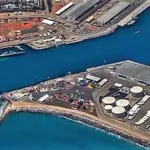
The report suggests that, as interfaces between transport modes, UK ports have a crucial role to play. They are also likely to be hubs for wider offtake of electrification and non-biological renewable fuels. It is important, therefore to reframe them as centres for green opportunity, says the report.
Finally the report highlights the critical role policy makers have in setting clear, ambitious targets supported by effective policies and the importance for investors to make evidence-based decisions.
Related Articles
 ALTERNATIVE FUELS GREENPORT
 ALTERNATIVE FUELS GREENPORT
 ALTERNATIVE FUELS GREENPORT