

Brazil plans its first green ammonia export terminal
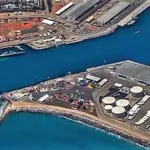
Stolthaven Terminals, in co-operation with Global Energy Storage (GES), has been selected as the potential operator to plan, design, build and operate a green ammonia terminal in Pecém, Brazil.
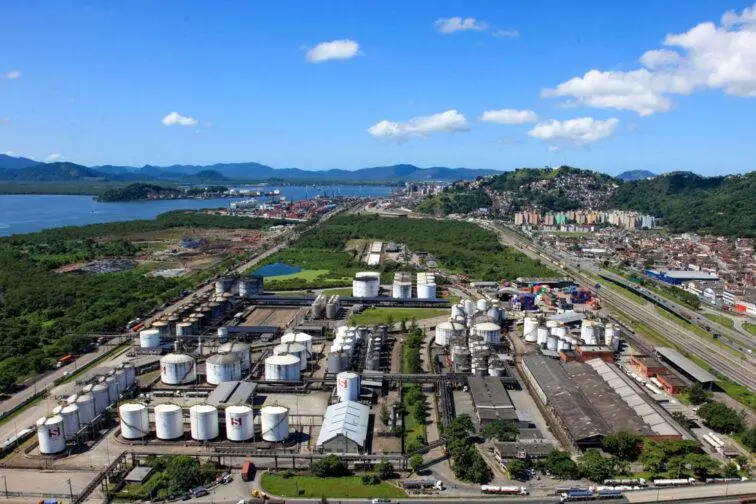
The Port of Pecém Authority (known as CIPP) awarded the rights to the partnership between Stolthaven Terminals and GES after a 15-month tender process involving several other global storage providers.
“We are proud to be chosen by CIPP as the right partner for its Hydrogen Hub,” said Marcelo Schmitt, general manager of Stolthaven Santos.
“This is one more step towards executing our strategy for growth and supporting our customers in transitioning to green energy. Brazil is fast becoming a new export powerhouse for biofuels and renewable energies and our extensive local and global experience, together with the expertise of our partner GES, will make it a successful and exciting development for the storage industry.”
Hydrogen production
During the next phase of the project, and with the involvement of CIPP and the ammonia producers, the basic engineering of the terminal will be developed before confirmation of the official contract with CIPP.
The development of a green ammonia terminal in the Industrial Export Zone (ZPE) of the Pecém Complex will serve the production of green hydrogen and its ammonia production exports and allow offshore markets to access one of the most globally competitive sources of this renewable energy.
In 2023, Stolthaven Terminals and GES agreed to form a partnership to develop and operate an export terminal for hydrogen and its derivatives.
The partners are leading providers of storage services for bulk liquids and gases, both with a global presence and proven expertise in developing complex and large-scale storage projects.
Stolthaven Terminals also has an established local presence in Brazil with 42 years of experience operating as a storage provider in the Port of Santos and multiple customer awards for its expert handling of biofuels and speciality chemicals.
Green ammonia is expected to play an important role in meeting the EU target of importing ten million tonnes per year of renewable hydrogen by 2030. A significant share of such volumes is expected to be imported to Europe.
Related Articles
 ALTERNATIVE FUELS GREENPORT
 ALTERNATIVE FUELS GREENPORT
 ALTERNATIVE FUELS GREENPORT