


Breakthrough for New Zealand ports as Tauranga and Auckland discuss pairing
New Zealand may be on the brink of finally embracing genuine port rationalisation after the countrys two major container gateways announced they are discussing ways in which the two companies can work together, including the possibility of a merger.
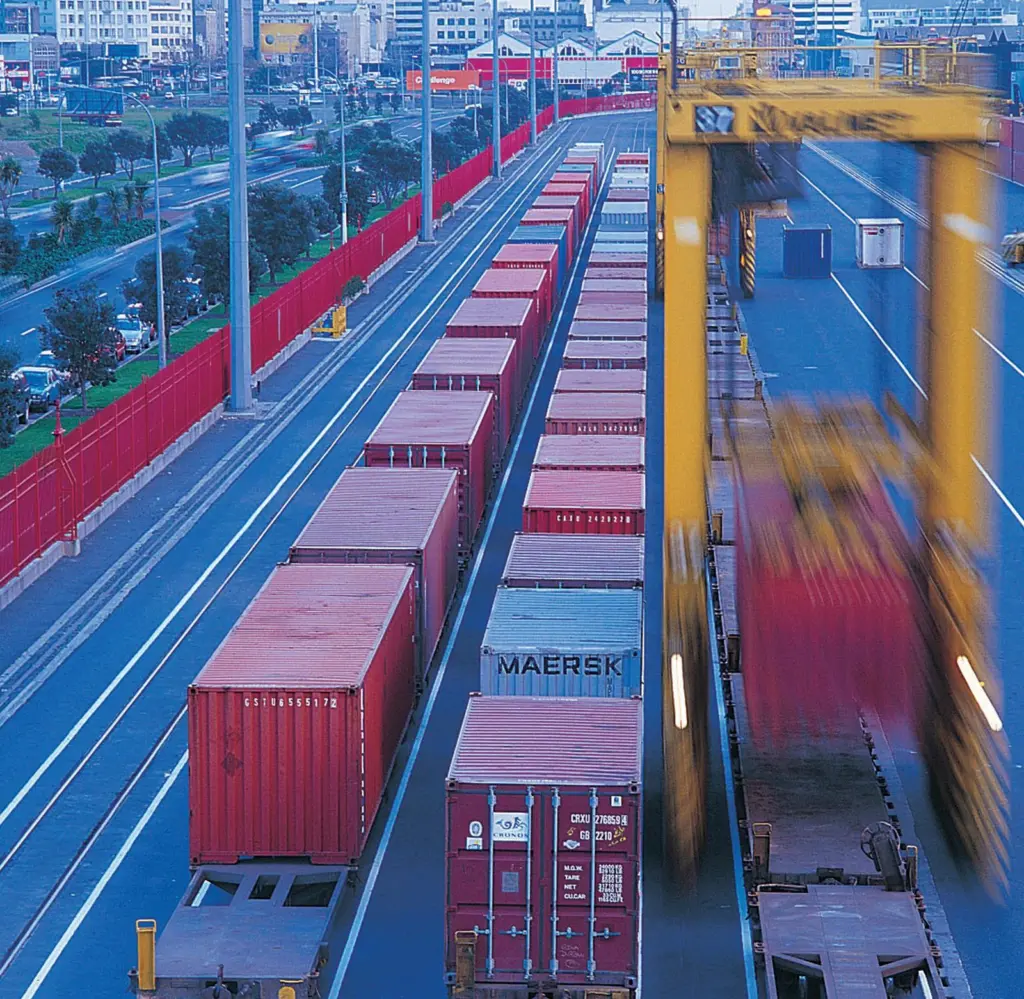
The northern neighbours of the Port of Tauranga and the Ports of Auckland could even use Tauranga’s stock exchange listing as a vehicle for a combined entity.
The details of a combination, if agreed, are expected to be thrashed out by Christmas. After that, if it goes ahead, there would be a need to convince the Commerce Commission (which controls anti-competitive activity) that the merger would not be contrary to the interests of exporters and importers or to port customers.
Up to now, New Zealand port mergers or rationalisations have never had much chance of success because all ports are either entirely or majorityowned by regional and local councils, none of whom have wished to relinquish control. The preparedness of those councils to put money into the ports is considered a major reason why there is now a considerable over-supply of container cranes and infrastructure throughout the country.
One of the few efforts to bring an overseas terminal interest into the country, and herald new efficiencies, was stymied when Otago took a 15% stake in Lyttelton to block that port’s discussions with terminal operator Hutchison. The Tauranga/Auckland announcement is therefore genuinely trailblazing in the context of New Zealand.
And the fact that it is these two fiercely competing ports that are now sitting at the same table and appear largely to have the same goals is surprising. This can be ascribed to the merger and acquisition activity that has taken place in shipping over the past 18 months, and which has created much larger shipping line customers.Maersk has a huge market share in New Zealand of 40%, but Hamburg-Sud and Hapag Lloyd are also considerably larger entities than they were a year ago.
All have greater bargaining powers with the ports. If Auckland and Tauranga stay as they are, they have limited bargaining strength and can effectively be played off against one another. If Auckland and Tauranga are successful, other New Zealand ports will be forced to consider similar moves.