


Adding value to geography
In the previous issue, which was a humorous attempt to call out some short-sighted planning, thenotion of the “big picture” was an important undercurrent, writes Barry Parker.
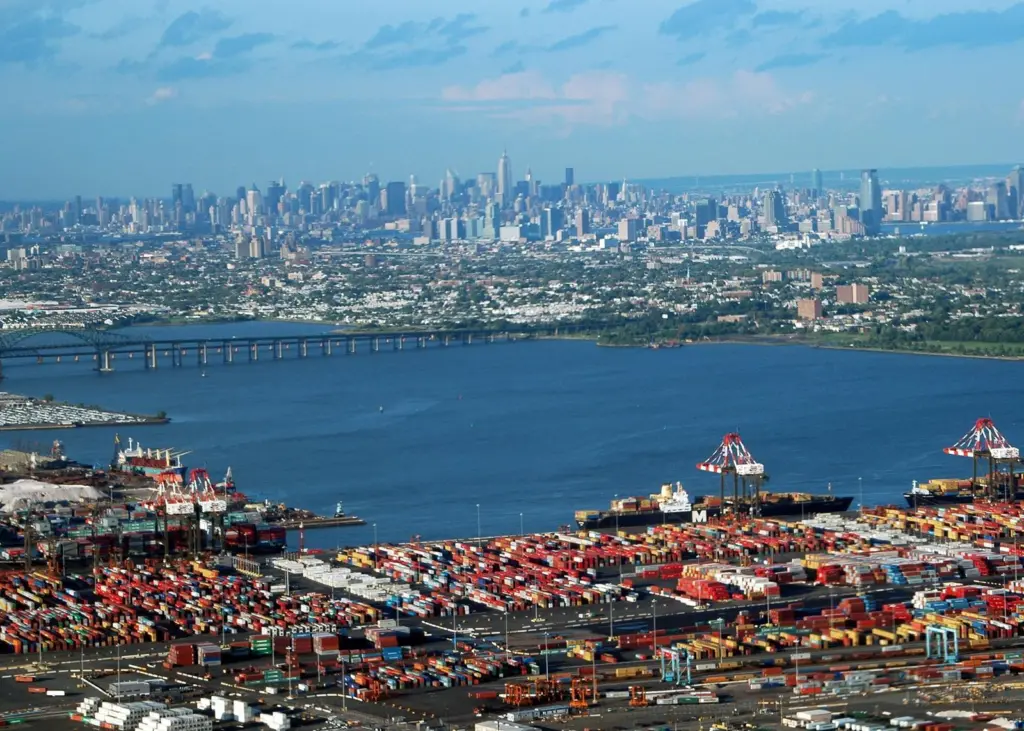
Sometimes referred to as an “ecosystem” – a major point was that different activities in a port are tied together.
In doing research for a transport project, I came across a related, and equally important concept – that of the “Logistics Platform”.
A world renowned economic geography expert, Dr. Jean-Paul Rodrigue (yes, a “hometown boy” – he’s a Professor at Hofstra University, not far from midtown New York) has completed important writing on this subject that’s worth encapsulating.
Many ports have the elements of Logistics Platforms, including transhipment of cargo (onto other vessels, or in intermodal handoffs with surface transport) and processing of cargo (Foreign trade zones come to mind).
In one article written for a leading financial institution, the Professor brings up the idea of “Adding value to geography.” Good port planners are doing exactly that. The port’s location is pre-determined, but a little bit of thinking outside the box will go a long way.
In a section of the article, he describes a well-situated group of ports that created a transhipment ability, decades ago, that put them way out in front when it came time to capture moves from developing trade flows. But then, a linkup with strategic processors of cargo (which, in turn, gave rise to additional cargo moves for finished products, some by the air mode), moved the ports’ business to yet another level.
Closer to home, the local port has just completed a Master Plan looking out to 2050. While its authors use different words, the PANYNJ planners have captured the essence of evolving further into a “Logistics Platform” and reaching more deeply into the processes of port users and attracting “Discretionary cargo” (my definition, it could go somewhere else unless you have a unique offering”.
One example of using location as an important pivot point concerns offshore wind, where the local port, which “…is uniquely situated to provide critical support to the offshore
wind needs.” can leverage geography.
Quoting further from the plan, which details various facilities where terminals could be situated, the authors of the plan note that: “The Port is also expected to support the supply
chain (import of raw materials,parts, components, etc.) associated with offshore wind.”
Related Articles
 THE NEW YORKER
 THE NEW YORKER
 THE NEW YORKER