



An oily mess
As I write this column, we are one month on from the devastating Deepwater Horizon explosion and the inevitable ecological disaster is still to be fully realised.
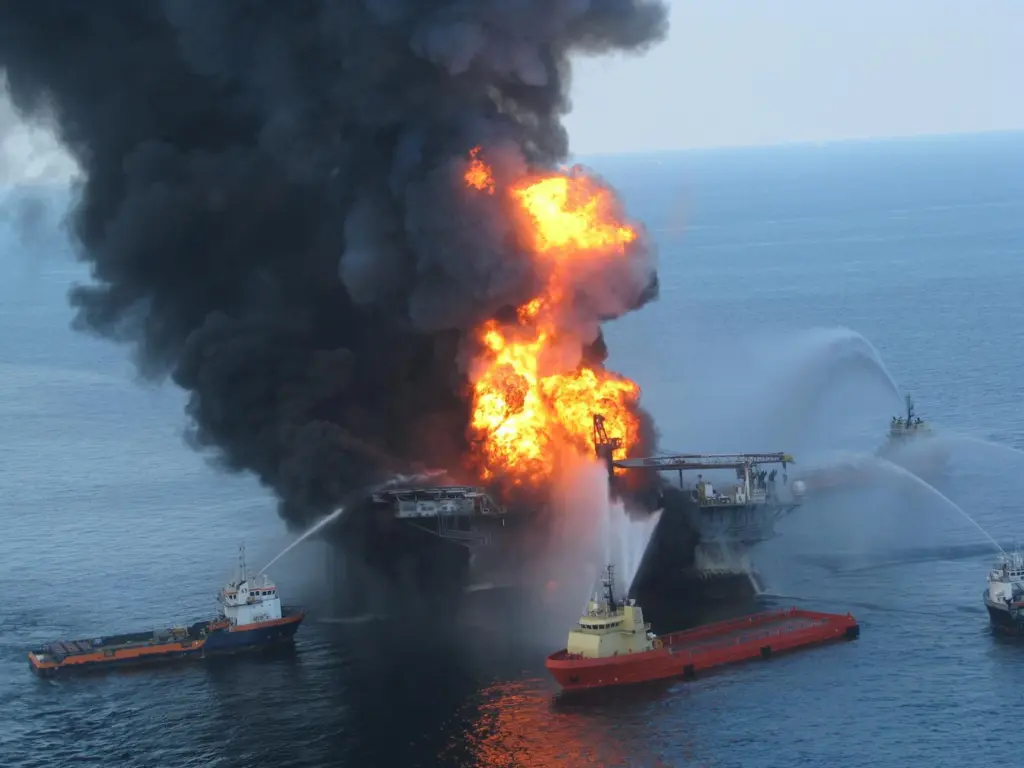
As is no doubt common knowledge, on April 20, 2010, an explosion and fire destroyed the offshore rig Deepwater Horizon, which had been drilling an exploratory well in approximately 5,000 feet of water in the Gulf of Mexico, 52 miles southeast of Venice, Louisiana. The platform subsequently sank, with 11 crewmembers presumed dead, and the uncompleted well leaking oil. A blowout preventer, intended to prevent release of crude oil, failed to activate.
So far, Gulf ports have emerged relatively unscathed from the threat of the spreading spill. Shipping lanes, too, remain open for business. At the time of writing the Southwest Pass – the main shipping channel into the Mississippi River – was open to traffic, with no indications from any agency there it would need to close any time soon. Likewise, the Port of New Orleans – itself in constant discussions with its customers – is declaring itself very much ‘open for business’.
In fact, the only signs of the omnipresent spill threat are the cleaning stations that have been set up at Boothville and at Burrwood on the Mississippi River. Here, ships are inspected to determine if they need to be cleaned, but to date, there have been no reports of oil on commercial cargo vessels entering the Mississippi River or along the Gulf Intracoastal Waterway.
Of course, no Gulf port is off the hook just yet. Oil continues to gush from the leaking well and the slick keeps moving, keeping everyone on their toes. And while for the time being the majority of the offshore slick appears to be caught in large counter-clockwise rotating eddy and moving back to the north or northwest, the powerful Loop Current is just to the south of the slick. If it catches that the oil could spread to Cuba and Miami, threatening ports, shipping and installations further afield.
While the waiting game is none too fun for any ports in the region, landfall of the spill at any commercial shipping port would be disastrous, especially at a time when US ports are just starting to recover from the economic turmoil of the past few years.
And should US Gulf ports or neighbouring ports be hit by the spill, the question of liability will be the cause of many a headache for years to come – a disconcerting prospect. It was Transocean Ltd’s drilling rig that exploded but it was licensed to BP, so who is at fault? Insurers are already tackling this question behind closed doors, but in the meantime, all US Gulf ports can do is sit and wait for the black stuff to reveal its hand.
Related Articles
 VIEWPOINT