

An inland hurdle to inspections
The use of dryports to ease pressure on seaports raises new challenges regarding inspections – can the IT, security and personnel be put in place to transfer all such inspection procedures from seaport to dryport?
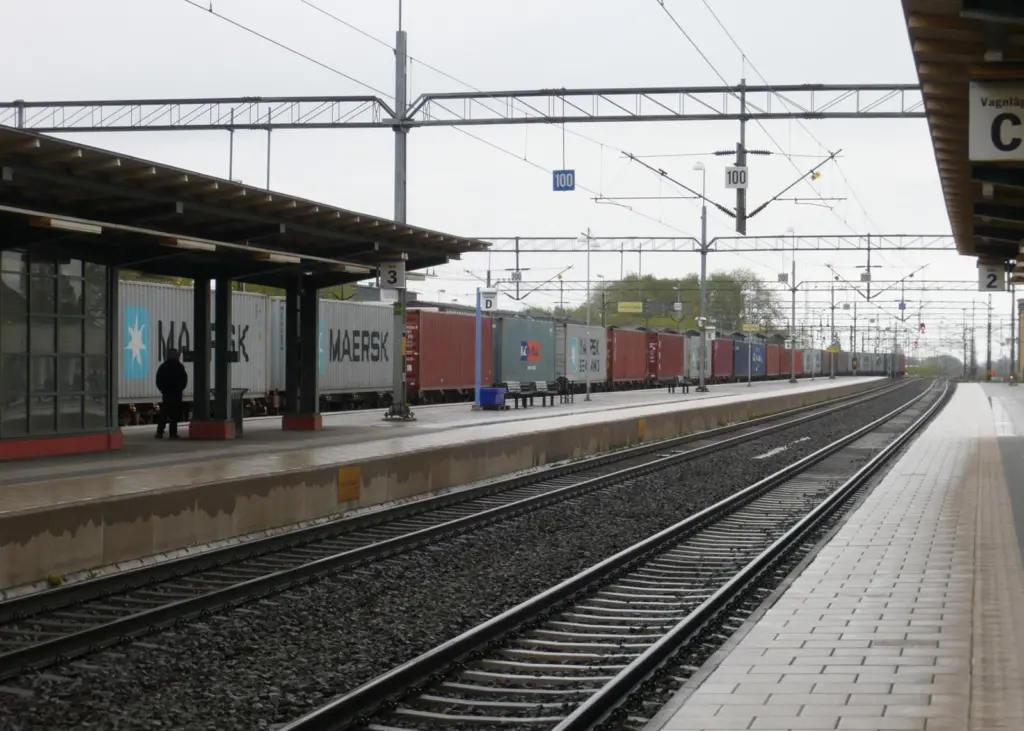
A network of nearly two dozen inland terminals is central to the Port of Gothenburg’s plans for growth – for efficiency, speed and environmental reasons, says Stig-Göran Thorén, the port’s senior manager, business development. Gothenburg has achieved a 50/50 road/rail split through this strategy, and the rail system is saving about 51,000 tonnes of CO2 a year, he says.
“The vision of what we are going for is that a railport terminal should be able to handle all the things we can do in the port,” he says.
So far, customs checks have been ‘moved’ to two rail terminals; a container can be moved by rail from the port and stored at the railport for customs clearance and paperwork later. “Our goal is to create the possibilities for the railport to handle and do everything we can do in the port – because it is more expensive to keep boxes in the port, and also to avoid congestion,” says Mr Thorén. “However, I am not sure we could move all the inspection functions – for example, food inspection, because this must be done on the quay before the cargo is moved.”
May 2011 saw the official opening of the Skaraborg Logistic Center at Falköping, a flagship project for the Swedish partners of the EU Dryport project.
Leif Bigsten, manager for strategic development for the Municipality of Falköping, says a container rail shuttle is due to start operating from Gothenburg by early autumn – “and when this starts, I am certain that we will have customs in Falköping. We have everything in place. The more you develop an inland terminal, the more you need to have all the facilities you have in a seaport – including security and IT connections.”
Related Articles
 EQUIPMENT