

Aviation model may answer challenge
Since the convergence of many different vessels is becoming a serious risk issue for a growing number of ports, there may now be a case for promoting an ‘aviation’ model for marine traffic management.
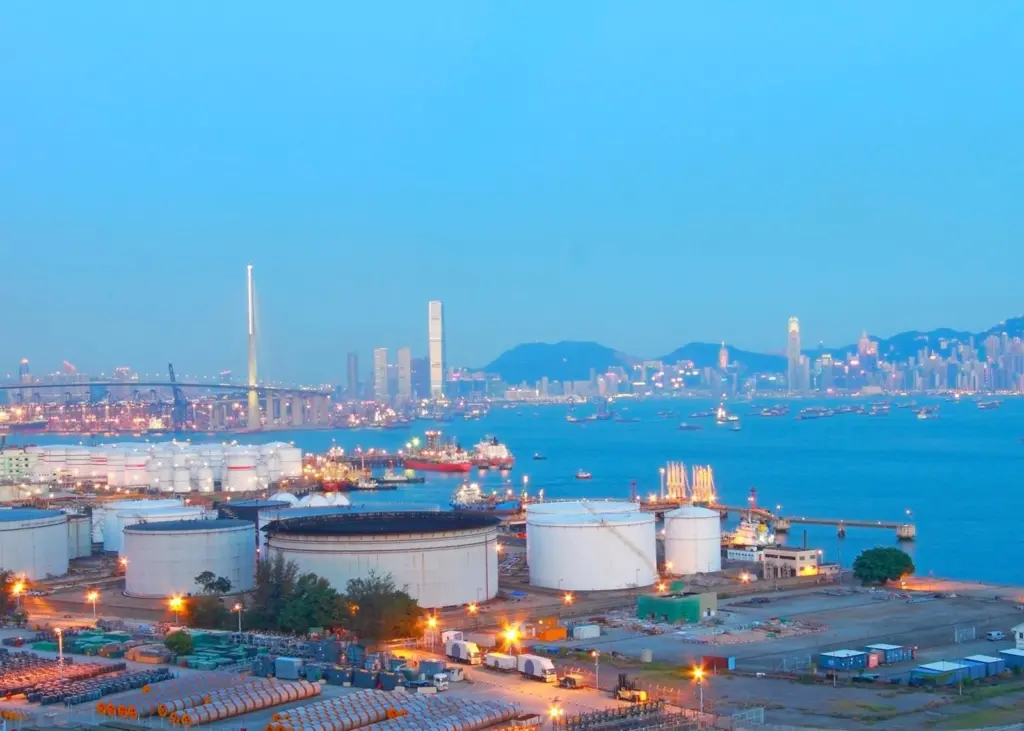
Dr Richard Colwill, of BMT Asia Pacific (HK) told PS that it may be time to challenge the age-old tradition of the captain as being the only decision maker of vessel movement while ships transit certain ports.
He notes that it’s a difficult area, but pointed out, “While air traffic control is the single arbiter of operations in airway terminals, marine law still points to the captain, even though vessel traffic control is the only one to have a full overview of operations.”
He added that it is essential to achieve better integration of information between mariners and the ports’ Vessel Traffic System (VTS). Dr Colwill was involved with recent sea trials of the “SafePort” architecture where participating vessels share their paths and schedules with the VTS, and he sees this as one possible way forward.
Further, he adds that the rise in volumes, especially in Asia, is having an effect. “In certain ports the radar is quite literally alight with fishing and coastal craft all mixing with the bigger ships. Ports that used to get by on a limited range of technology now will have to think seriously about their vessel traffic strategies in order to manage a wider range of stakeholders whose expectations on service are only going up.”
However, he says that Hong Kong graphically illustrates how an effective VTS response can support the port’s growth. “You can track a simultaneous rise in both vessel arrivals and collisions during the mid 80’s but then just as clearly identify the impact of improved vessel traffic management that started to make a difference in the 90’s – the collision rate in 2010 compares favourably with rates of 20 years before – given the increased number of arrivals, and size of vessels.”
Related Articles
 EQUIPMENT