



Barge transport gets more efficient
Transportation by barge is an ecological and cost effective alternative to rail and truck – and Bühler, the German dry cargo and grain logistics expert, is aiming to make this mode of transport even more competitive.
Barge transport makes strategic sense too – to make use of inland waterways to get freight to and from ports. Continental Europe is crisscrossed by waterways all helping to decongest the overland highway system.
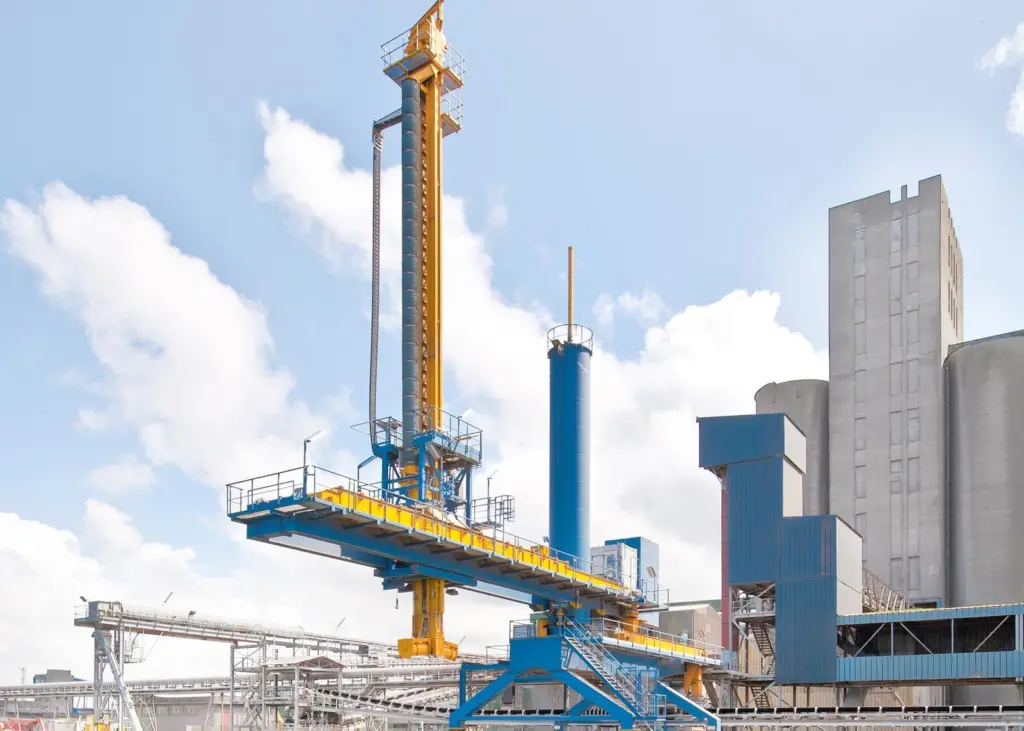
Bühler focuses on the mobilisation of grain and the company has made its name in making transportation more efficient. Its latest product, the new Bargolink unloading system aims to give customers short berthing times and reliable high volume unloading capacities.
Vincent van der Wijk, product manager Bargolink, said to Port Strategy: “Altogether, Buhler’s Bargolink offers an investment-friendly, highly flexible and efficient solution for unloading systems used for inland water transportation.”
These state-of-the-art ship unloaders are available as mobile or stationary versions and can unload barges of up to 5,000 DWT at capacities of 150 to 300 tonnes per hour.
Bühler says that the Bargolink is also less susceptible to breakdowns and that its mechanical process means longer uptime, lower operating costs, less expenses on maintenance and spares, and half the energy usage.
Three customers in China, Croatia and France are already using the Bargolink system so are clearly convinced of its benefits.
And Mr van der Wijk believes that there is huge market potential globally for the product. China for instance has been expanding its shipping infrastructure and a Bargolink system will be shipped to Yihai Ltd. later this summer. In Russia, as with the Mississippi in the US, river barges deliver most of the grain exports to port – so this is also a market that Bühler will be looking at tapping into.
Related Articles
 EQUIPMENT