
Dredging for sand threatens coastal ecosystems in Kenya
Concerns have been raised about the impact of sand harvesting on Kenya coastal beaches and marine ecosystems.
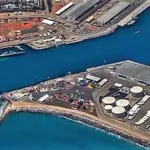
Kenya Ports Authority (KPA), the ports operator in Kenya, is undertaking a multimillion-dollar New Container Terminal Modernisation project. However, the seabed sand harvesting activities that support the construction works of the three-phase landside maritime infrastructure scheme are causing discomfort among environmental groups and communities along the country’s coastal region.
The project, which was launched in 2010 and is expected to be completed in 2020, entails the construction of three berths at the new container terminal in Mombasa, which, when fully complete, will create an additional capacity of 1.2 million TEU.
Part of the three-berth construction plan involves the reclamation of 100 ha from the sea to create the terminal, with the berths having depths of 15 metres, 12 metres and 11 metres respectively. Two of the berths will accommodate Panamax and Post-Panamax container vessels of 20,000 tons and 60,000 tons respectively, according to KPA.
During the first phase, berths 20 and 21 were successfully completed and handed over to KPA in 2016. An estimated 7.5 million cubic metres of sand was needed for their construction. KPA proposed a further harvest of 8 million cubic metres of sea sand for the construction of phases two and three, dredged from the same offshore location near Shelly Beach in Lamu for developing berths 22 and 23 respectively.
Although KPA initially pledged to “ensure minimal environmental impacts to the rich coastal ecological belt in Mombasa”, concerns have been raised regarding the likely impact of the project on marine flora and fauna and famous coastal beaches.
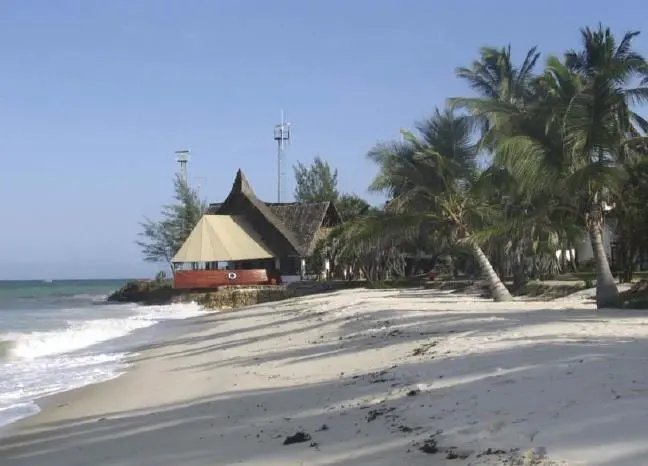
The South Coast Residents’ Association (SCRA), which promotes the interests of residents and owners of property on South Mainland Mombasa, has previously said sand harvesting in Kenya’s coastal area is not only threatening the tourist beaches but also could deny fishers the right to access fishing sites.
Ecosystem Impacts
In its Environmental and Social Impact Assessment (ESIA), KPA has identified the likely impact of the sea bed sand harvesting to be the loss of bottom habitat, shell fisheries and fisher food sources, water column turbidity, disruption of fishing activities and migration of sea turtles.
However, despite the concerns raised by SCRA, KPA said that since the launch of phase one of the container terminal construction, sand harvesting “has been carried out within the borrow pit boundaries which does not contain rich bottom habitat seaweeds and harvesting is done at sea depths greater than 30 metres”.
The Port Authority added: “Sand extraction with Trailing Suction Hopper Dredger involves sea-going self-propelled vessel equipped with a suction pipe and designed to trail over sides of the vessel and the method results in minimal turbidity as high concentration of loose material is lifted by the suction head.”
In fact, KPA argued that the sand harvest activity leads to “agitation of bottom habitat that increases the number of fish in the area (harvested area) due to suspension of plankton”.
However, KPA admits the sea bed sand harvesting could have some impact on turtles because of the likelihood of encountering them during their migration “on their way to nesting grounds in the region”. But the port operator rules out disturbance of the turtles’ nesting grounds on sandy beaches because “sand is harvested from the seabed…The likelihood of interference with these migration routes is insignificant due to rarity of sightings in the area and the location of the nesting grounds in relation to sand borrow pit area where the vessel will be operating”.
SCRA had previously raised the alarm regarding dredgers encroaching on sand beaches for the construction material. This position was backed by the Coast Beach Management Units (CBMU) in Kwale County near Mombasa, when they claimed KPA had violated the rights of local communities by going on with the sand harvest without compensating them and cushioning them from the likely adverse effects.
“The harvesting is interfering with the marine ecosystem and we fear in future, the sandy beaches we have will no longer be there,” said Mgandi Kalinga, a trustee of the CBMU.
These concerns are shared by the Nairobi-based United Nations Environment Programme, which said in a statement to Kenyan media in April 2019: “We are spending our sand ‘budget’ faster than we can produce it responsibly (but) by improving the governance of global sand resources, we can better manage this critical resource sustainably and truly demonstrate that infrastructure and nature can go hand in hand.”
Related Articles
 AFRICA
 CONCESSIONS & INVESTMENTS