





Curtain call for Hong Kong drama
There is a coups de théâtre being played out in Hong Kong. Hutchison’s Hongkong International Terminal has been an unwilling extra in a performance put on by its contracted dockers, who are now in their fifth week of strikes.
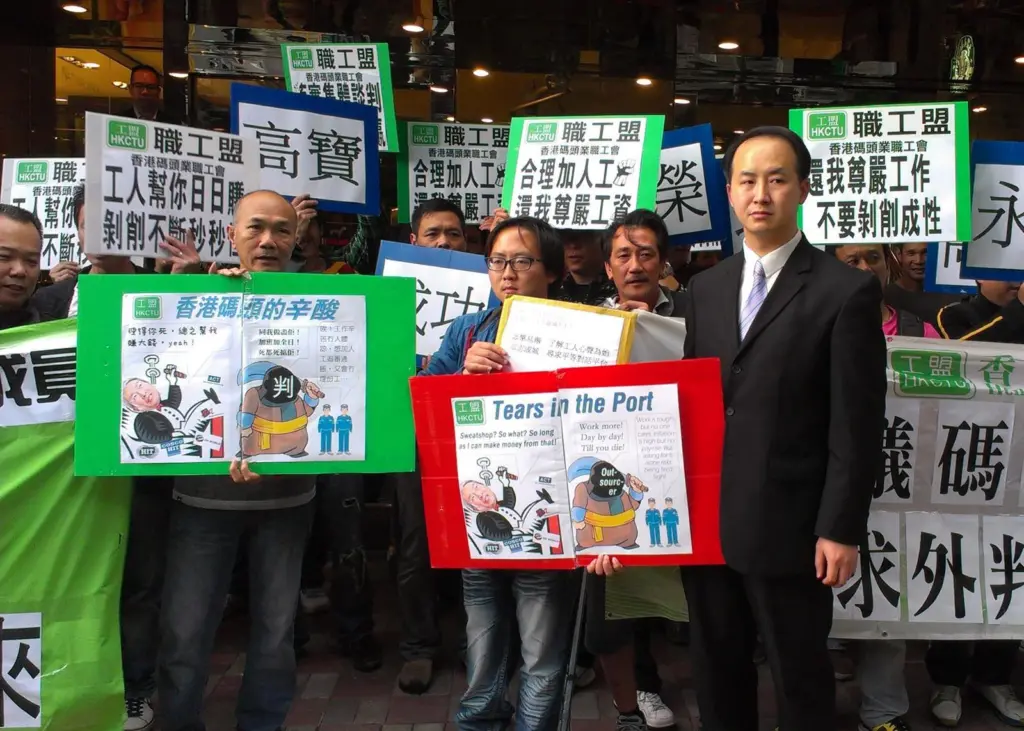
It’s been flagged as the city’s largest strike in nearly six years. The protest has garnered wide support, with thousands of protestors involved in marches through Hong Kong and unions around the world flying in to lend their support.
So far, HIT has tried to keep the debacle at arm’s length, but has had to respond in kind to an advertising campaign set by the unions to present the ‘facts’ to the general public – facts that HIT vehemently deny. ‘Exploitation’ has been casually bandied around.
While HIT is getting the media whipping, it is in fact the contracting companies – Everbest Port Services and Global Stevedoring Service – that have failed to meet workers’ pay demands. Adding fuel to the fire, Global is now winding up its business as it cannot cover its labour commitments to HIT because of the strike.
However, the port must shoulder some responsibility. After all, isn’t the whole exercise of outsourcing done to save money? HIT has presumably pressured the contracting companies to maintain or even reduce their fees over the years – no businessman would argue against the sense in this, especially in a weaker operating environment.
But the obvious path to keener pricing is through freezing or reducing workers’ fees, so any operator that outsources its workforce has to wise up to its involvement, indirectly or otherwise, in any ensuing discontent with labour.
Of course, this situation brings the question of wider outsourcing in ports into sharp relief. The act of outsourcing should not absolve an operator of responsibility for services that are provided within their port walls. However, there is a fine line between keeping a keen eye on the terms and actual workings of contracted services and micro-managing a service that was outsourced to allow the operator time and funds to concentrate on core strengths instead.
Back in Hong Kong it is telling that HIT’s own employed workers have not joined the picket lines. Good news for the operator as it has meant that the operational disruptions have been relatively limited so far, but it also provides a contrast for the terms and conditions of the two groups of employers.
How ever the scene plays out in Hong Kong, these strikes are undoubtedly bad for business and bad for the image of ports worldwide. HIT may need to improve its direction of the main actors before this production flops.
Related Articles
 VIEWPOINT