


Blanket bans
Getting greens onside is one of life’s great battles for ports looking to expand. Some tackle environmentalists head on, preferring a fight to flight. Others bring them into every conversation to prove there’s nothing to hide.
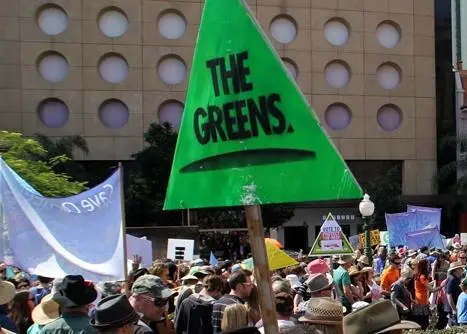
The rest keep all contact through a third party intermediary to avoid any direct confrontation.
But as yet no one has found a fool-proof method to get plans approved without a long, drawn out and usually costly battle. So, imagine the discussions behind closed doors that took place as Abbot Point’s partners discussed how best to tackle the environmental ramifications of their expansion project.
Situated on north Queensland’s coastline, the Abbot Point port expansion will become the link to the international markets for a collective $16bn in coal projects from the region. The two Adani Enterprises and GVK-Hancock terminals plan to export a total of 120m tons of coal a year.
But port expansion projects on this scale tend to kick up an awful lot of dredging spoil and this one is on the fringes of the UNESCO World Heritage Site of the Great Barrier Reef. So discussions about where to put the anticipated 3m cubic metres of sediment have been sensitive to say the least.
Now, the green light has been given for it to be dumped in the Great Barrier Reef Marine Park, the argument being that it is essentially better to expand an existing port than to start again in another location. North Queensland Bulk Ports Corporation also maintains that it would be more environmentally damaging to dump the spoil on land. The spoil will be dumped at an approved disposal site which does not contain coral reefs or seagrass beds.
There was, as expected, strict conditions attached to the approval – 47 strict conditions to be exact – but environmentalists are incensed, having fought the project from the off. They point to the wide-reaching ramifications of the decision: at its last meeting in June 2013, the World Heritage Committee ‘expressed concern’ for the Great Barrier Reef and asked Australia to “ensure that the property remains well protected”. It is currently reviewing a report on the state of conservation from the Australian government and information regarding developments in the World Heritage site. The assessment of the situation will be made public in May, ahead of the World Heritage Committee meeting in June this year. Environmentalists are certain that this will mean the loss of the Great Barrier Reef’s World Heritage status.
But this cannot can blamed on port development alone; tourism, over fishing, climate change, water temperature all have a part to play in the Reef’s degradation and UNESCO will not be examining the effects of port development in silo.
And if Abbot Point didn’t take the expansion hit, where else on the Australian coastline would be acceptable to the environmentalists?
Ports and the environment make uncomfortable bedfellows, but if some environmentalists had their way no new ports would be built or expanded. There needs to be an acceptance that world trade will continue to grow and that we need adequate port infrastructure to handle that growing trade. A blanket ban to port development isn’t helpful or productive. Wouldn’t it be refreshing if the environmentalists came up with workable alternatives to disputed projects instead of criticising every port growth plan on principal?
Related Articles
 VIEWPOINT