





Hitching an uninvited lift
Mice, rats and cockroaches usually come under a fairly intense prevention program: not only do they spread disease but if they get a foothold in a food import facility it’s difficult to get rid of them without damaging food stocks.
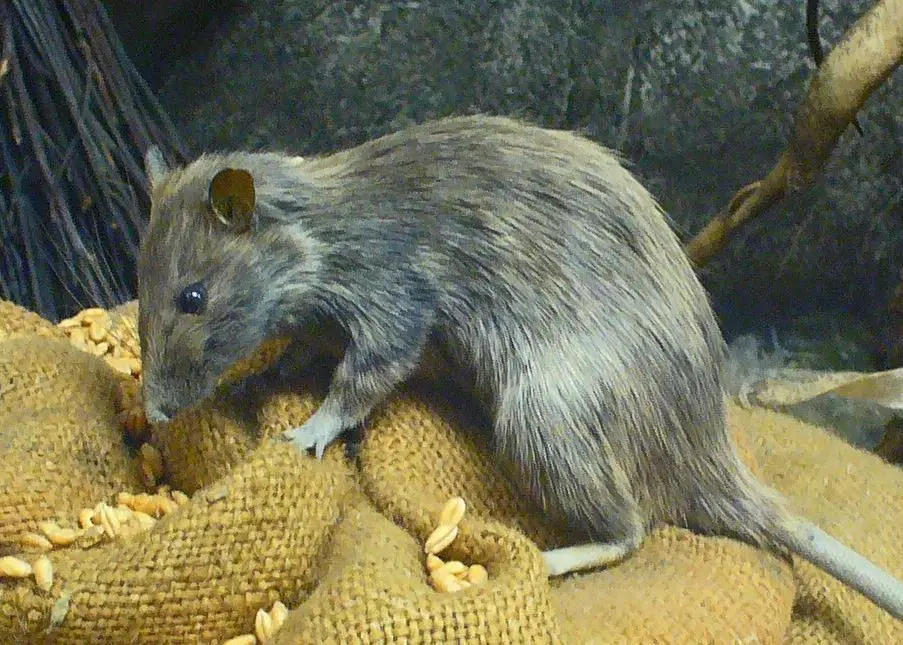
However, most ports don’t want to keep very toxic chemicals hanging about either, so non-toxic bait boxes or sticky boards are scattered about key areas and only if there’s signs of chewing or roaches do the poisons go down.
Still, ports do suffer, like most places, from waves of rodent arrivals. The fact that vessels still come in with rats onboard can be a real problem not just for ports and people but for local wildlife. As Poppy Benson of Alaska Maritime National Wildlife Refuge puts it: “Rat spills can be far worse than oil spills. Oil degrades over time while rats multiply, and multiply…”
Further, ports could still be entry sites for rat-borne diseases. A recent study in a Vancouver facility showed that infections in the local rat population were indeed coming from shipping activities. It’s a reminder that there’s still a risk from global logistics: after all, international shipping has been responsible for spreading both rats and their diseases around the world, including the notorious bubonic plague.
Related Articles
 CONTAINER & CARGO HANDLING
 CONTAINER & CARGO HANDLING