


An empty challenge
Dave and Iain MacIntyre examines the range of solutions to the issue of empties
Pioneering inland port solutions
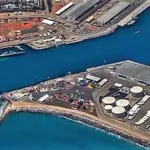
The New Zealand port of Tauranga established New Zealand’s first fully-integrated inland port service – MetroPort Auckland – in 1999, strategically locating it in the heart of the industrial belt of its rival port, Auckland.
Faced with large export volumes but light on imports, MetroPort offered the opportunity for lines to call at the Port of Tauranga where import cargo destined for Auckland could be offloaded. Cargo is then railed to MetroPort Auckland before distribution to its final destination.
The same process happens in reverse for Auckland-sourced export cargo. It is aggregated at MetroPort Auckland, railed to Tauranga and loaded on to the vessel.
The reduction of empty running advantages the shipping line and takes costs out of the supply chain.
Tauranga chief executive Mark Cairns told Port Strategy he regarded MetroPort as one of Port of Tauranga’s most successful strategic alliances.
“It relies on the Auckland-bound import cargoes being devanned at MetroPort (cross-docked with new cargo where possible), the dehired empties packed with any Auckland export cargo and the excess of empties railed to Te Rapa [the heart of diary exports in the Waikato region] and then stuffed containers being attached to the train to be exported from Tauranga again.
“With the Maersk Southern Star service back calling at Tauranga the northbound and southbound trains are optimally balanced again,” he says.
Related Articles
 CONTAINER & CARGO HANDLING
 CONTAINER & CARGO HANDLING