





Hamburg rail network sets benchmark
The Port of Hamburg is helping to set the benchmark for European rail networks, largely due to its reputation as a pioneer for environmentally-friendly, reliable transport into the hinterland.
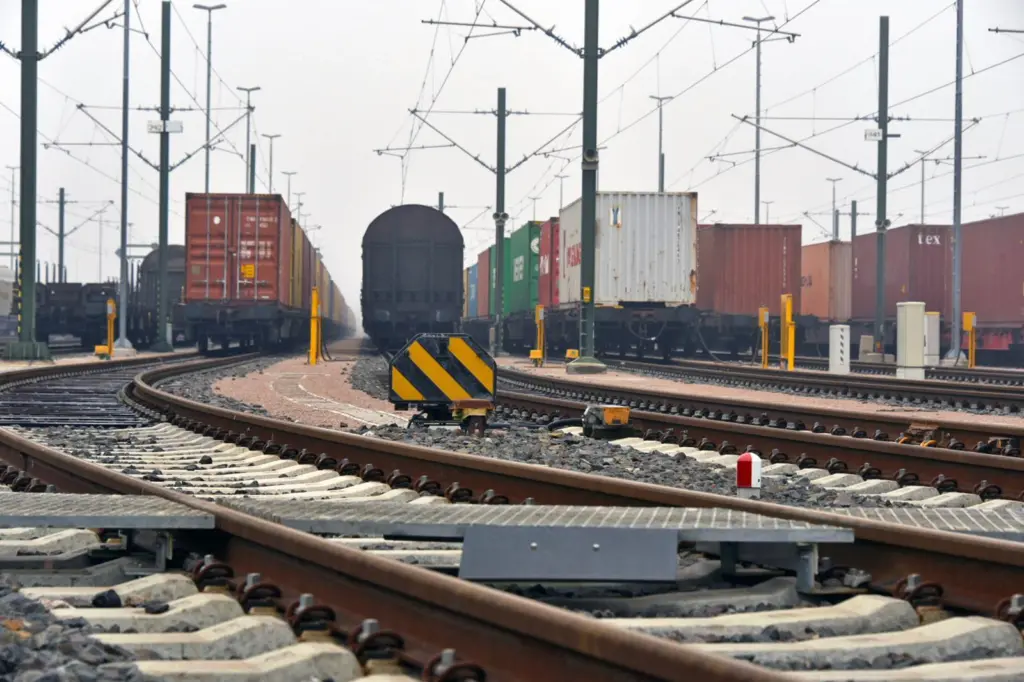
In the Drewry Group’s recent study, ‘Best route market study for containerised imports to South Germany’, an investigation took place into which ports taking imported containers from Shanghai are transported most quickly and cheaply to southern Germany.
In almost all markets under consideration, Hamburg did better than other southern ports in the Mediterranean. This is largely due to numerous direct services, a high departure frequency for container block trains and the fast transit times to/from the Hamburg quay wall.
When it comes to transport with Freiburg, Nuremberg and Stuttgart, the three North Range ports, Rotterdam, Antwerp and Hamburg are the most competitive. Regional shippers can profit from cheaper rates and faster, or similar, transit times between the ports on the trade route to and from Shanghai.
But for non-urgent cargo, Hamburg is best positioned. Only Hamburg has numerous daily rail services, arriving directly overnight, providing the shippers with additional flexibility.
One of the Port of Hamburg’s greatest strengths is its high concentration of container train departures. There is a daily scheduled train service to/from Hamburg, offering a reliable and cost effective service to Shanghai.
According to Drewry’s experts, Hamburg is traditionally the strongest port for the southern German hinterland and will continue to pioneer environmentally-friendly, reliable transport into the future.
In 2015, more than one million teu were handled via the Port of Hamburg for Bavaria and Baden-Württemberg, despite increasing competitive pressure.
Related Articles
 EUROPE GREENPORT
 ALTERNATIVE FUELS GREENPORT
 ALTERNATIVE FUELS GREENPORT