![GreenPort[PortStrategy]](https://www.portstrategy.com/greenport/wp-content/uploads/sites/4/2026/09/GreenPortPortStrategy.svg)
A jettyless terminal for delivering e-fuels
The ECOnnect IQuay C-class System has been chosen to ensure the environmentally-sound export of methanol and green ammonia produced at an e-fuel production site in Africa.
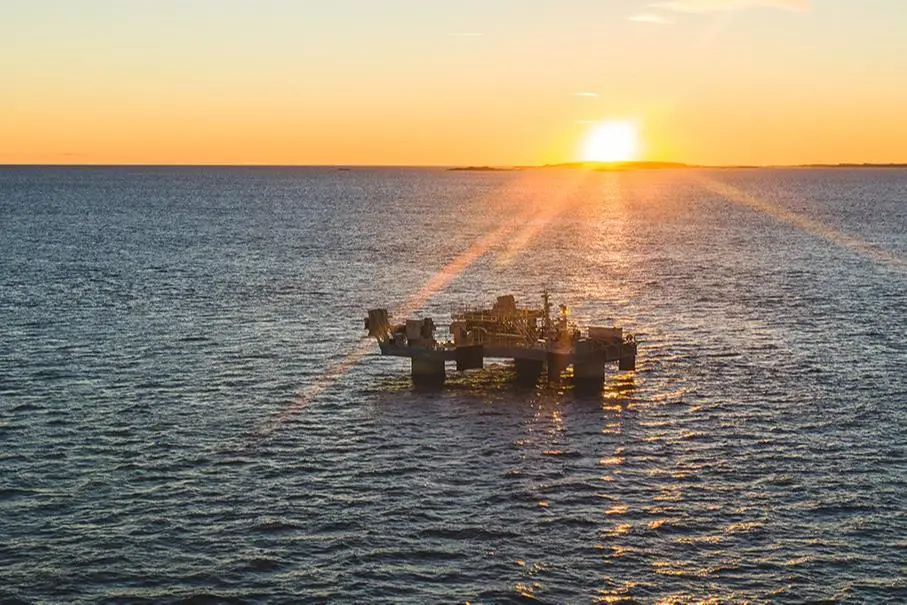
Norway’s ECOnnect Energy is a key partner in Project Green, an ambitious initiative led by Alternative Petroleum & Power Limited (APPL) to establish itself as a leading supplier of clean e-fuels.
“Our focus remains steadfast on delivering innovative, sustainable energy solutions and contributing to the socio-economic growth of the region,” said Morten A. Christophersen, CEO at ECOnnect.
E-fuel exports
Situated on an extensive 300-hectare site in Akwa Ibom State, Nigeria, Project Green represents a significant leap in energy diversification and the advancement of local content development in the region.
ECOnnect Energy is a Norwegian company assisting the energy and maritime markets with jettyless IQuay floating transfer terminals.
The IQuay solution features a game-changing floating jettyless system for loading, discharge and bunkering of LNG, ammonia and carbon capture and storage without the need for invasive, time-and cost-intensive fixed marine infrastructure.
ECOnnect Energy is set to facilitate the marine-based export of 520,000 metric tonnes per annum of renewable (blue and green) methanol and 1,120,000 metric tonnes per annum of green ammonia, marking a substantial contribution to the project’s commitment to sustainable energy and reducing dependency on imported fossil fuels.
The first phase of the project harnesses the power of local renewable hydropower and natural gas, aiming to produce blue methanol and of green methanol for export.
The e-methanol will be produced in a state-of-the-art 484 Mwe combined cycle power plant with advanced postcombustion CO2 capture, embodying the sustainable and circular approach to fuel production being championed by the project.
The subsequent phase will focus on the production of green ammonia.
Project Green is not just an energy project; it’s a commitment to substantial civil infrastructure development, including the construction of a hydropower dam, a 200MW connection to the Nigerian National Grid and top-tier methanol and ammonia production facilities.
Its goal is to become fully operational by January 2029.
Related Articles
 ALTERNATIVE FUELS GREENPORT
 ALTERNATIVE FUELS GREENPORT
 ALTERNATIVE FUELS GREENPORT