



Ammonia pipeline study shows potential
A feasibility study has concluded that a pipeline transporting ammonia from North Sea Port to industrial regions in Belgium and Germany is technically possible, safe and could become economically viable over time.
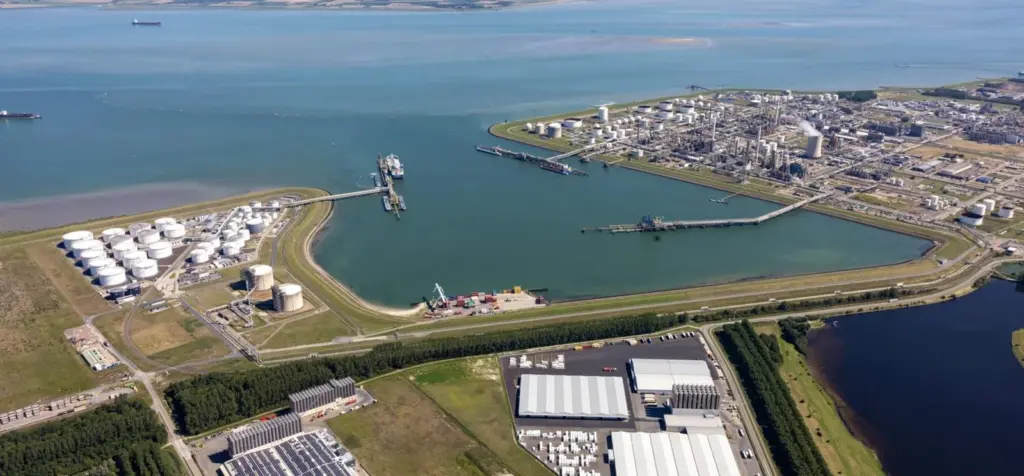
The study was commissioned by North Sea Port, Smart Delta Resources and the Province of Zeeland in response to growing plans by companies in the port area to import and store ammonia at terminals in Vlissingen and Terneuzen.
According to the findings, a dedicated pipeline linking the port cluster to Antwerp and further to the Ruhr Area could become commercially attractive once transport volumes increase and pipeline transport becomes cheaper than shipping or rail alternatives. Achieving this would require close coordination between Dutch and Belgian authorities, particularly regarding safety standards and regulatory frameworks.
In the meantime, the study emphasises that three transport methods will be needed to support the development of the ammonia market: rail, inland waterways and pipeline infrastructure. Rail transport currently provides the most cost-effective option for smaller volumes, while inland waterway transport becomes more efficient for medium-sized quantities.
Both modes are expected to remain essential in the coming years as they allow the market to expand gradually and supply companies that are not yet connected to pipeline infrastructure. The study estimates that ammonia demand in the region could reach around three million tonnes per year by 2040.
Over a longer time horizon extending to 2050, pipeline transport for large-scale ammonia volumes is projected to offer the lowest overall costs. Researchers therefore recommend further studies into a potential pipeline corridor linking the North Sea Port area with Antwerp and industrial regions further inland.
WATCH: Ammonia cracking milestone in Antwerp
Related Articles
 ALTERNATIVE FUELS GREENPORT
 ALTERNATIVE FUELS GREENPORT
 ENERGY & TECHNOLOGY GREENPORT