![GreenPort[PortStrategy]](https://www.portstrategy.com/greenport/wp-content/uploads/sites/4/2026/09/GreenPortPortStrategy.svg)
Ammonia training standards released
The MMMCZCS and The Decarb Hub, a joint initiative by Lloyd’s Register Group and Lloyd’s Register Foundation, have issued a set of new reports highlighting the need to address design and human factor challenges related to ammonia as a marine fuel.
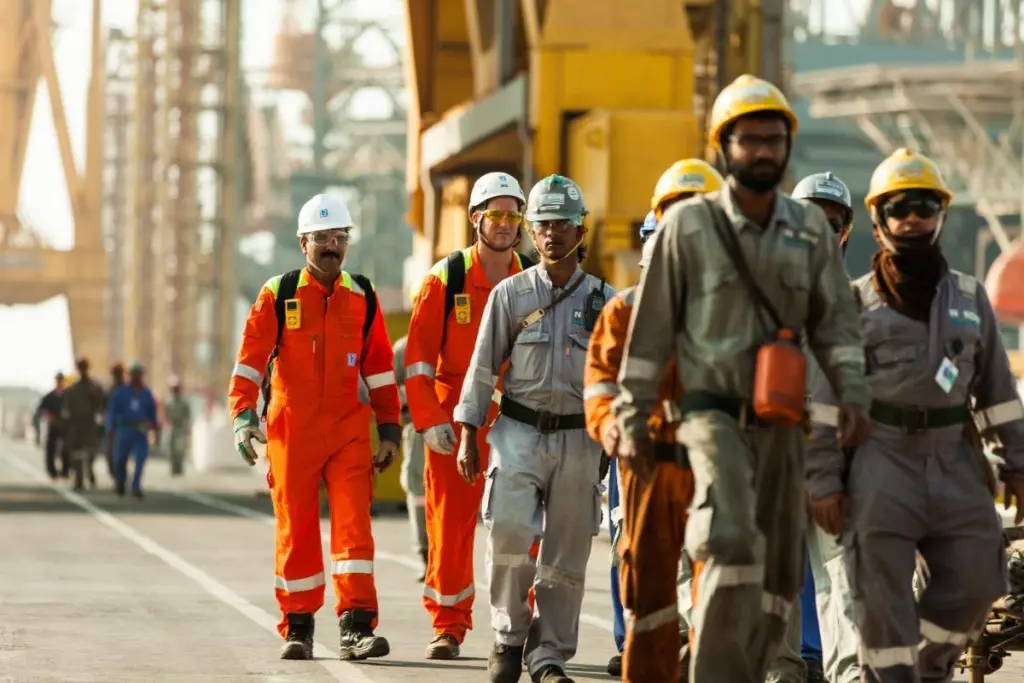
These reports, released under the ‘Ammonia as Fuel – Competencies and Training’ project, provide a roadmap for preparing seafarers for ammonia-fuelled ship operations, detailing minimum regulatory requirements, necessary competencies for both onboard and shore-based personnel and role-specific training for a safe transition.
“The current framework for seafarer training is a baseline, but is insufficient to meet ammonia’s unique safety challenges,” said Martin Eriksen, head of safety leadership & operations at MMMCZCS.
“The Ammonia as Fuel – Competencies and Training project addresses these gaps. Existing frameworks must incorporate specialised knowledge about the unique characteristics and hazards that accompany this fuel.”
An industry acceptance survey conducted by the MMMCZCS showed a strong willingness among seafarers to work with ammonia-fuelled vessels, but emphasised that proper training is crucial for this shift.
The three reports include a project summary, a technical report addressing training standards, and a second technical report on competencies for operational, maintenance and emergency-response scenarios.
Call for action
The reports call for action from shipowners, operators, seafarers, technology providers, regulators and training institutes to implement the recommendations.
Key interventions include improving work practices, occupational health and process safety training. Shipping companies are urged to conduct gap analyses and invest in upskilling initiatives, while regulators are encouraged to incorporate ammonia-related safety measures into global maritime training standards.
“We call for the IMO and its members to consider this information and take appropriate action to account for ammonia as fuel in the regulatory training framework, enabling interim guidance on training for alternative fuels to be published with priority,” said Eriksen.
Related Articles
 ALTERNATIVE FUELS GREENPORT
 ALTERNATIVE FUELS GREENPORT
 ALTERNATIVE FUELS GREENPORT