![GreenPort[PortStrategy]](https://www.portstrategy.com/greenport/wp-content/uploads/sites/4/2026/09/GreenPortPortStrategy.svg)
Anticipation builds around hydrogen tractor first
Hyster will give visitors to TOC 2023 a first glimpse of the zero-emission terminal tractor it’s developing with Capacity Trucks for Hamburger Hafen und Logistik AG (HHLA).
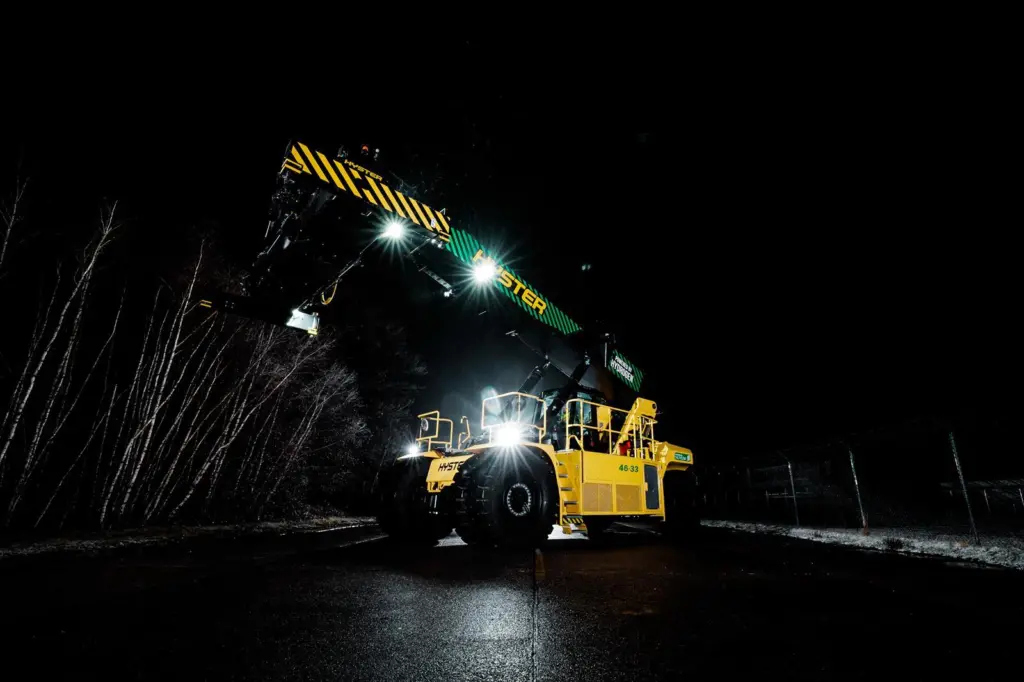
The machine is powered by Nuvera hydrogen fuel cells and run on hydrogen fuel produced locally at the HHLA Hamburg Green Hydrogen Hub.
“For us, bringing ‘Clean Power that Means Business’ to ports is about understanding the whole application and its challenges, to provide solutions that support sustainability goals and also meet performance and productivity needs of the operation,” said Jan-Willem van den Brand, director global market development at Hyster.
High-capacity
This zero-emissions solution is just the latest in a series of developments where Hyster is electrifying higher-capacity port equipment that has traditionally relied on internal combustion engine (ICE) power.
The company is currently testing the first real-world pilot of a hydrogen fuel cell-powered container handler at the Port of Los Angeles. This project was also recently recognised as a finalist for the World Hydrogen Awards 2023.
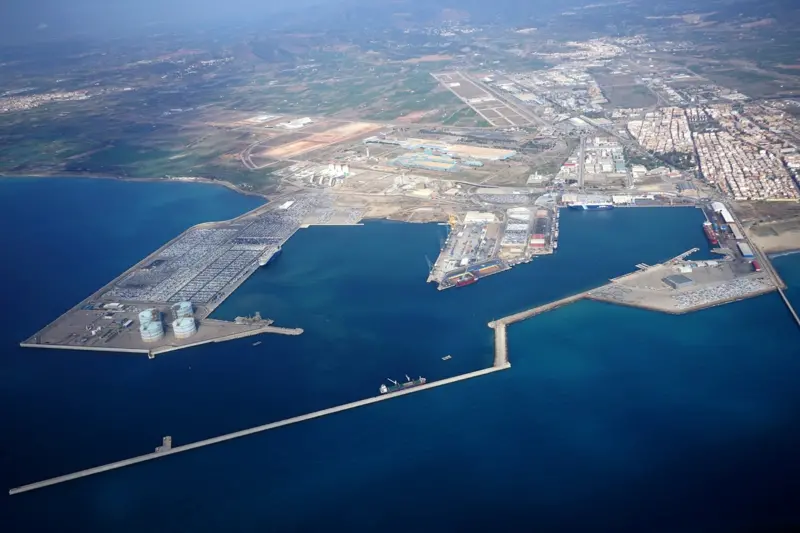
In addition, Hyster is developing an Empty Container Handler powered by hydrogen fuel cells for HHLA in Hamburg, Germany and previously announced a pilot of a fuel-cell powered ReachStacker at the Port of Valencia as part of the European Horizon 2020 programme and H2Ports project.
Furthermore, Hyster recently revealed that it will provide with CARU Containers B.V. with a 100% battery-powered Hyster Empty Container Handler for use in a depot in Rotterdam, the Netherlands. The electric empty container handler will be powered by 650-volt lithium-ion batteries, with electricity sourced from solar panels on site at the CARU depot.
“Electrification is not just about buying a battery powered truck, there are also considerations that must be made around infrastructure,” said Mr van den Brand.
“For instance, we know how important standardised charging is for ports that are aiming to switch to a completely electric fleet, so the Hyster equipment we are developing aims to feature CCS (Common Charging System) capability across the range. This could help make the transition to zero-emission equipment easier, while supporting scheduled and opportunity charging in operations.”
Related Articles
 ALTERNATIVE FUELS GREENPORT
 ALTERNATIVE FUELS GREENPORT
 ALTERNATIVE FUELS GREENPORT