![GreenPort[PortStrategy]](https://www.portstrategy.com/greenport/wp-content/uploads/sites/4/2026/09/GreenPortPortStrategy.svg)
Bio-LNG bunkering kicks off in Zeebrugge
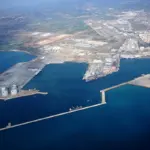
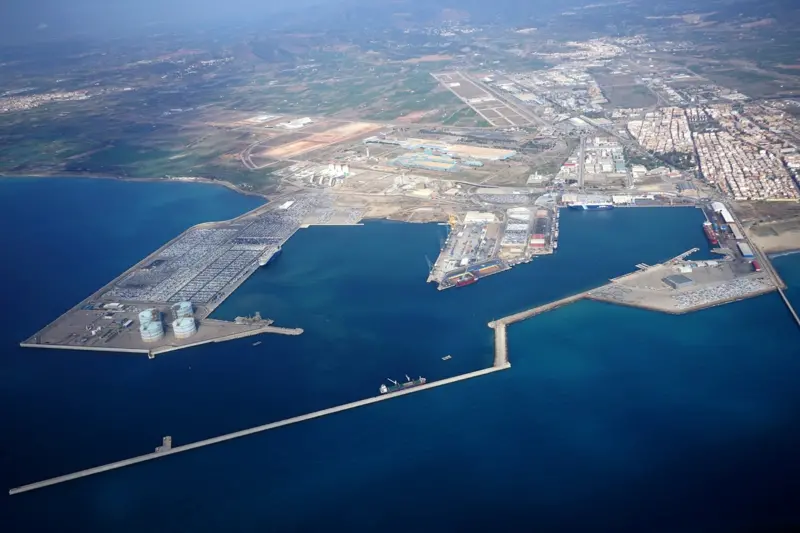
United European Car Carriers (UECC) and Titan Clean Fuels are teaming up on liquefied biomethane (LBM) bunkering operations in the Port of Zeebrugge, Belgium.
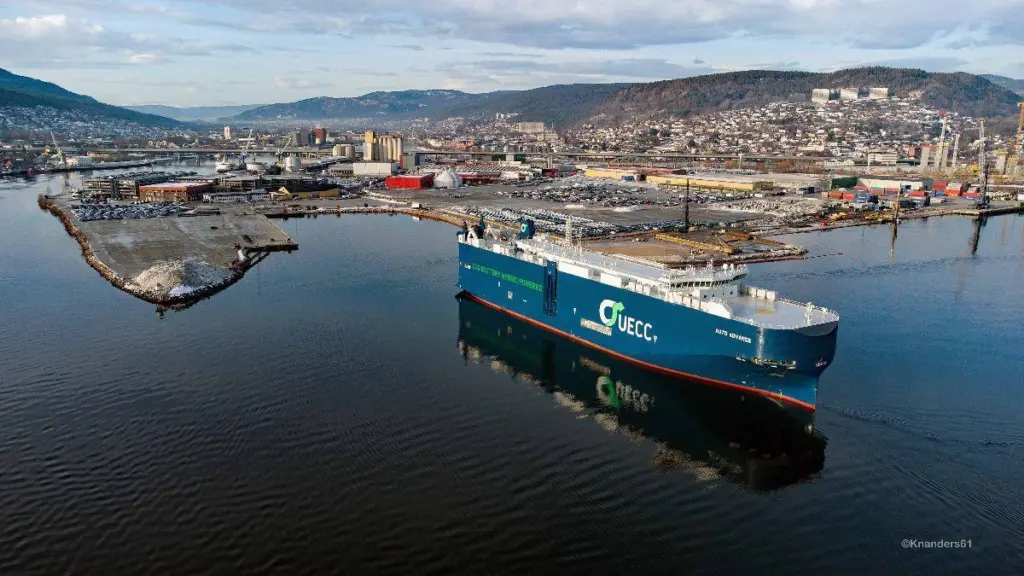
As part of UECC’s ‘Green Gas Month’, Titan will bunker ISCC-EU certified mass-balanced LBM, also known as bio-LNG, to all of UECC’s LNG dual fuel car carriers this month, helping to save more than 8,000 tonnes in CO2 emissions.
“Through the use of biomethane, ‘Green Gas Month’, and ‘Sail for Change’ more broadly, we are providing our customers with a great springboard to further their own decarbonisation strategies,” said Daniel Gent, energy & sustainability manager at UECC.
“Tightening environmental regulations and emissions levies like the EU Emissions Trading System are also increasingly boosting the commercial rationale for using clean shipping services.
“The use of LBM as a marine fuel reduces UECC’s, and our customer’s exposure to the costs of emitting within the EU ETS, which will continue to ramp up quickly over the coming years.”
UECC and Titan says this development demonstrates LNG’s prominence in the move to net zero, with its supply and use already having mature infrastructure in place.
Unlike other fuels, LBM is already being introduced at scale, they say. Depending on the feedstock, LBM can be net-zero in terms of greenhouse gas emissions or even net-negative if the avoided emissions of waste are taken into account.
The next phase is the introduction of e-methane produced using renewable electricity and electrolysis. All of these molecules can be blended at any ratio and used in existing LNG infrastructure without adaptation.
“We are pleased to be working with UECC on these major LBM bunkerings and hope these are the first of many more clean fuel operations with them,” said Flip Dankelman, trader at Titan.
“The mass balanced LBM via Fluxys’s LNG Terminal in Zeebrugge is a practical, realistic and cost-competitive way to use clean marine fuels today.”
Related Articles
 ALTERNATIVE FUELS GREENPORT
 ALTERNATIVE FUELS GREENPORT
 ALTERNATIVE FUELS GREENPORT