![GreenPort[PortStrategy]](https://www.portstrategy.com/greenport/wp-content/uploads/sites/4/2026/09/GreenPortPortStrategy.svg)
Biofuel bunkering standard
The Maritime and Port Authority of Singapore (MPA) has developed a provisional national quality standard for marine biofuel to support the development of biofuel bunkering.
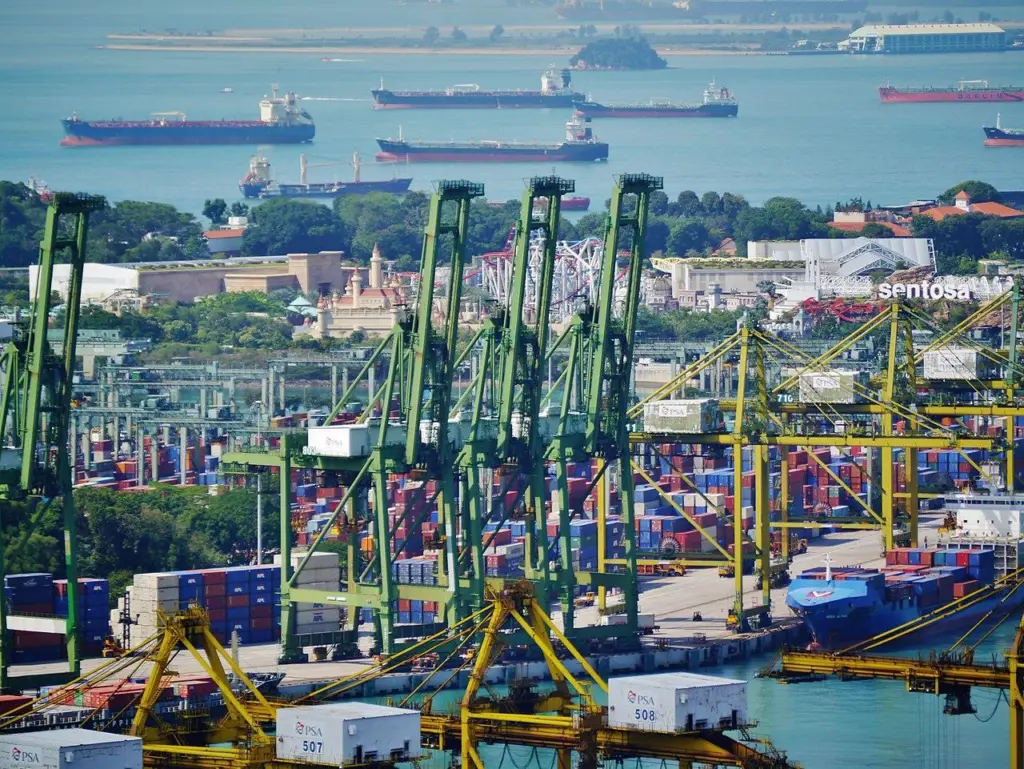
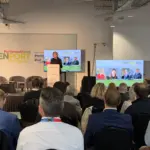
At the annual Singapore International Bunkering Conference and Exhibition (SIBCON), MPA said that the standard had been developed in collaboration with industry, academia, and relevant government organisations under the national standardisation programme overseen by Enterprise Singapore.
In addition, the port athority said that it has also developed a framework setting out conditions under which licensed bunker suppliers may supply biofuel within the Port of Singapore to support trials conducted by vessels.
Biofuel progress
With regards to quantity assurance, MPA is working with the Technical Committee for Bunkering to study the impact of biofuel on the metrological accuracy of Mass Flow Meters and is working with stakeholders to amend the SS 648: 2019 Code of Practice for Bunker Mass Flow Metering to include biofuels within its scope.
Singapore continues to make progress on the bunkering of biofuel. Approximately 70,000 tonnes of biofuel have been supplied in Singapore to ocean-going vessels across more than 40 biofuel bunkering operations.
The port authority is of the view that as part of a multi-fuel future, methanol, ammonia and hydrogen derived from renewables and its carriers as well as biofuels could play significant roles in the decarbonisation of global shipping.
It said that it will continue to collaborate with public and private sector partners to accelerate the trials and adoption of these new fuels to support our domestic and international sustainability goals.
MPA also said that it will continue to push for the full electrification of local harbour craft and which will also contribute to the national effort towards decarbonisation.
At the port-to-port level, MPA is working with like-minded ports such as the Port of Rotterdam to establish green digital corridors and develop a global network for greener marine fuels.
Related Articles
 ALTERNATIVE FUELS GREENPORT
 ALTERNATIVE FUELS GREENPORT
 ALTERNATIVE FUELS GREENPORT