![GreenPort[PortStrategy]](https://www.portstrategy.com/greenport/wp-content/uploads/sites/4/2026/09/GreenPortPortStrategy.svg)


Biofuel can deliver significant GHG emissions
Biofuels play a critical role in decarbonising the maritime industry, but their future growth of biofuels may be limited by supply, warns DNV.
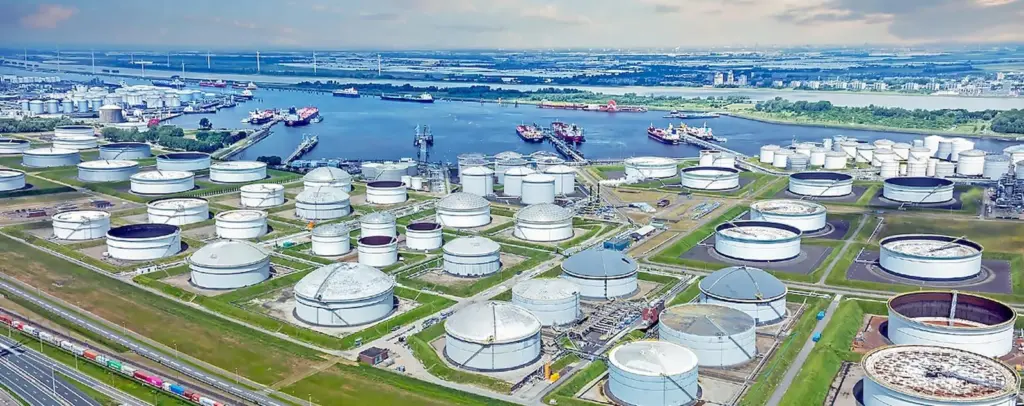
The classification society’s latest white paper, ‘Biofuels in Shipping’, highlights the growing potential of biofuels like FAME and HVO in reducing greenhouse gas (GHG) emissions.
Through surveys and interviews with biofuel suppliers and shipping companies, DNV identified over 60 ports globally engaged in biofuel bunkering operations since 2015. Singapore and Rotterdam are major hubs, supplying about half of all biofuels to the maritime sector in 2023.
“Biofuels present a promising decarbonisation option for shipowners, and it’s encouraging to see steady growth in the number of bunkering ports offering biofuels in recent years,” said Knut Ørbeck-Nilssen, chief executive, Maritime at DNV.
However, uptake has been limited. In 2023, the maritime sector consumed just 0.7 million tonnes of liquid biofuels, representing a modest 0.6% of global supply and 0.3% of shipping’s total energy use. Despite these figures, biofuels remain a promising option for compliance with international maritime regulations such as CII, EU ETS and FuelEU Maritime.
“Shipowners should aim to explore energy efficiency measures and alternative fuels as part of their wider decarbonisation strategies,” said Ørbeck-Nilssen.
The paper emphasises the importance of ensuring biofuels meet stringent sustainability and GHG reduction standards, supported by certifications like the proof of sustainability.
It also stresses the need for safe biofuel introduction in shipping operations, addressing key technical and operational considerations to mitigate risks.
Related Articles
 ALTERNATIVE FUELS GREENPORT
 ALTERNATIVE FUELS GREENPORT
 ALTERNATIVE FUELS GREENPORT